What Is Debt?

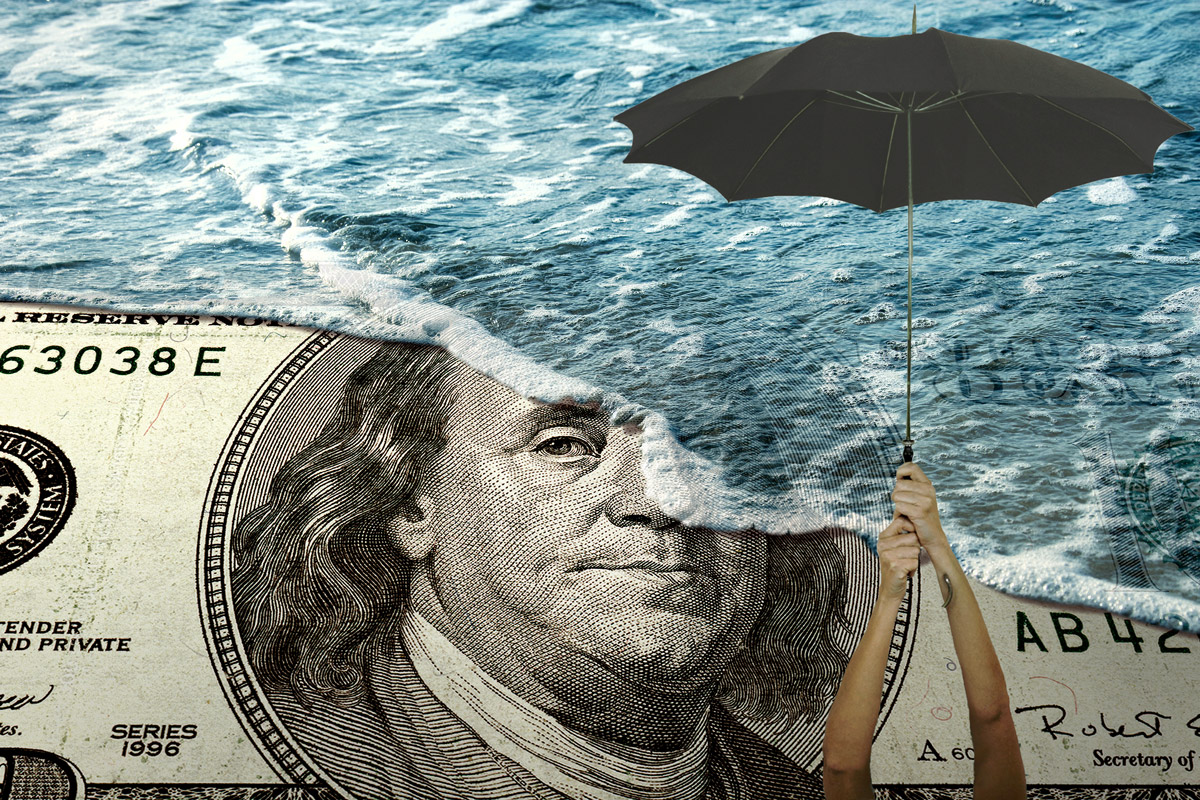

The word “debt” has a way of making people feel uneasy. It brings to mind late payment notices, collection calls and maxed-out credit cards. But at its core, debt is simply money you’ve borrowed that you’ve agreed to pay back — often with interest.
And here’s the thing: almost everyone has some form of debt. Total U.S. household debt exceeds $18.8 trillion, according to the Federal Reserve Bank of New York’s Household Debt and Credit Report. Yes, that’s trillion, with a T.
Whether you have debt from a mortgage, credit card or an auto loan, the key is understanding how it works so you can make it work for you.
Debt at a Glance
Debt is money you borrow and repay over time, usually with interest. Who you borrow from is most often referred to as a lender. These are entities like banks, credit unions and credit card companies. There are also different types of debt, which we’ll go over later.
Here are some quick facts about debt:
- Debt is money that you repay with interest
- It can be secured or unsecured
- Repayment can be either revolving or installment
- It can impact your credit score
- There is “good” debt and “bad” debt
Debt Is Money You Borrow and Agree to Repay
In short, debt is defined as borrowed money that you’ll later repay. When you take on debt, two main numbers matter:
- Principal: The amount you originally borrowed
- Interest: The cost the lender charges you for lending you the money
Say you take out a $1,000 loan at 10% interest. You’ll pay back more than $1,000 because the lender tacks on interest charges over the life of the loan. How much higher depends on how long it takes you to pay off the loan.
You’ll usually see that interest rate listed as an APR, or annual percentage rate, which factors in both the interest and certain fees to give you a clearer picture of the actual cost. In fact, lenders are legally required under the Truth In Lending Act to disclose all charges and fees that come with a loan.
Not sure how APR works? Check out this guide on what APR means.
How Does Debt Work?
When you take on debt, you enter into an agreement with a lender. That agreement usually spells out:
- The amount you’re borrowing
- The interest rate (APR)
- Your repayment schedule
- Any fees or penalties
Understanding these terms helps you understand how much the debt will actually cost you. Most of the time, you will be paying more than what you’re borrowing.
Principal vs. Interest
Every loan payment is split into two buckets. The principal is the original amount you borrowed, and interest is the lender’s fee for letting you use their money. An amortization schedule shows how each payment is split between the principal and interest over time.
With a $10,000 car loan, for instance, your payments will go toward both the principal and interest. But early on in the payments, more will go toward interest. As the balance shrinks, more of each payment chips away at the principal.
Paying attention to this split reveals how much of your hard-earned money is going toward the actual debt versus the cost of carrying it.
Monthly Payments
Once you’ve borrowed money, you’ll make monthly payments until the balance is repaid.
How much you pay each month depends on three things:
- The amount you borrowed
- The interest rate
- The length of your repayment term
Not all payments look the same. A fixed mortgage stays predictable month to month. A credit card bill, however, can change depending on how much you’ve spent or paid down on it.
What Happens If You Miss Payments
If you miss a debt payment, late fees can kick in, interest can pile up and your credit score may take a hit once the lender reports the delinquency. Even one skipped payment can set off this kind of chain reaction.
Late payments usually don’t show up on your credit report until 30 days after it was due. However, let it go long enough and the lender may hand it off to a collections agency. In more serious situations, creditors can take legal steps to recover what you owe. However, that varies based on the type of debt and your state’s laws.
What Are the Main Types of Debt?
The main types of debt are secured, unsecured, revolving and installment. These types of debt don’t work the same way. Secured loans require collateral, while unsecured doesn’t. Installments has a fixed payoff timeline, while revolving lets you borrow and repay on a revolving basis.
Here’s how they break down.
Secured vs. Unsecured Debt Comparison
| Scenario | Secured Debt | Unsecured Debt |
|---|---|---|
Collateral required? |
Yes |
No |
Risk if you default |
Could lose the asset |
No property on the line |
Borrowing costs |
Tend to be lower |
Tend to be higher |
Examples |
Home loan, auto loan |
Credit card, medical debt |
The difference between secured and unsecured debt comes down to one question: Is an asset tied to the loan? That distinction affects your interest rate and what happens if you default.
Secured Debt
These loans are tied to a specific asset that the lender can claim if you stop paying. So if you’ve ever financed a car or taken out a mortgage, you’ve dealt with secured debt.
But there’s an upside.
The collateral lowers the lender’s risk, which usually means a lower interest rate for you.
Unsecured Debt
Unlike secured debt, unsecured debt doesn’t have any property tied to it. You’re borrowing purely on the strength of your creditworthiness.
Examples of unsecured debt include:
- Credit cards
- Most personal loans
- Medical bills
Without that collateral as a safety net, lenders shoulder the majority of the risk. That means you, the borrower, will usually pay a higher interest rate.
Revolving Debt
Revolving debt gives you a pool of credit you can use, repay and borrow from again.
Credit cards are the go-to example. Your available credit shrinks as you spend and grows as you pay it back.
With revolving debt, you only pay interest on the portion of the balance you don’t pay off by the due date.
Installment Debt
For installment debt, you borrow a fixed amount up front and repay it in equal monthly payments on a set schedule. So it has a clear finish line.
Some examples include:
- Home loans
- Auto loans
- Student loans
- Many personal loans
The amount you pay each month with installment debt is typically locked in from the start, which makes budgeting easier.
Worth noting: debt taken on for personal needs is consumer debt, while borrowing to fund business operations is considered business debt.
Examples of Common Types of Debt
These are the specific types of debt you’re most likely to encounter:
- Credit cards: The most common form of revolving debt is unsecured. If you carry a balance, watch your credit utilization because it directly affects your score.
- Student loans: Installment loans for college or graduate school.
- Mortgages: Secured installment loans for buying a home — likely the largest debt you’ll ever carry.
- Auto loans: Secured installment loans for vehicles.
- Personal loans: Typically unsecured installment loans for everything from debt consolidation to unexpected expenses.
- Medical debt: Unpaid healthcare bills that can add up fast.
Is Debt Always Bad?
Debt isn’t inherently good or bad, but it can have both positive and negative consequences. It’s a financial tool, and the impact depends on the cost, the purpose and how well it fits into your budget.
What Is Good Debt?
Some debt can actually work in your favor. This is known as good debt.
Examples of good debt include:
- Borrowing to buy a home you can afford
- Investing in a student loan that boosts your career options
- Taking out a loan to launch a business
That said, even good debt can backfire if the monthly payments stretch your budget too thin.
What Is Bad Debt?
On the flip side, some borrowing does more harm than good.
Examples of bad debt include:
- Racking up credit card balances on things you don’t need
- Turning to payday lenders when funds are tight
- Financing big-ticket items at sky-high rates
This type of borrowing can dig a financial hole that’s tough to climb out of.
The easiest way to tell the difference between good and bad debt? Ask yourself whether the debt will move you forward financially or hold you back.
How Debt Affects Your Credit Score
Debt affects your credit score because it shows your ability to pay back borrowed money. Your credit score is essentially a report card for how you handle your finances. FICO and VantageScore use separate scoring criteria, but both look at:
- Payment history: Are you paying on time? This makes up 35% of your credit score, according to FICO.
- Balances: How much debt are you carrying?
- Credit utilization: What percentage of your available credit are you using?
- Credit history length: How far back do your accounts go?
- Credit mix: Are you managing different types of debt?
Payment history and balances carry the most weight. Aim to keep credit utilization below 30%. Lower is even better.
If you want a deeper dive, check out this guide on how credit scores work.
What Happens If You Don’t Pay Your Debt?
Ignoring a debt doesn’t make it go away. In fact, it usually makes things worse.
The longer you let a debt sit unpaid, the more the consequences stack up. They include:
- Late fees tacked onto your balance
- Interest charges that keep compounding
- Negative impact on your credit score
- Collection agencies contacting you
- Lawsuits and wage garnishments
How far things escalate depends on the type of debt and the laws in your state. Reach out to your lender as soon as possible. Many can work with you on a payment arrangement.
How Much Debt Is Too Much?
Debt can cross the line from manageable to problematic. To evaluate your debt load, calculate your debt-to-income (DTI) ratio, which measures how much of your monthly income is going toward debt payments.
Here’s the formula:
Monthly debt payments ÷ gross monthly income = DTI
So if you earn $4,000 a month and you’re putting $1,600 toward various debts:
$1,600 ÷ $4,000 = 0.40, or 40% DTI
That’s on the high side. Lenders generally want to see a DTI of less than 36%, although it depends on the type of loan.
Beyond the math, pay attention to what your budget is telling you. If you’re barely covering minimum payments or borrowing from one account to pay another, your debt is probably carrying too much weight.
How to Get Out of Debt
Debt doesn’t disappear overnight, but with a clear game plan, you can gain control of your finances. Here are a few paths that can get you there:
- Debt snowball: Tackle the smallest balance first. When it’s gone, put that freed-up cash toward the next-lowest balance. It’s a great approach if you need early wins to stay motivated. Here’s a deeper dive into the debt snowball method.
- Debt avalanche: Focus your extra dollars on whichever debt is charging you the most interest. You’ll pay less overall, which makes this a smarter choice if you’re playing the long game.
- Debt consolidation: Bundle multiple debts into one loan, ideally with a better rate and a single monthly payment. It can make the whole process feel less chaotic. Check out debt consolidation options here.
- Credit counseling: Sometimes your finances need a fresh set of eyes. Nonprofit credit counseling agencies can help you put together a repayment strategy that works with your budget, not against it.
The best starting point? Your budget. Once you have a clear picture of your income, your debts and your goals, the right strategy usually becomes obvious.
Frequently Asked Questions About Debt
Debt is borrowed money that you agree to repay over time, typically with interest.
Secured, unsecured, revolving and installment. The differences come down to whether an asset is tied to the loan and how repayment is structured.
Debt can be either good or bad. A mortgage or student loan may build long-term wealth, while a maxed-out credit card creates financial setbacks. What matters most is whether debt is working for or against you.
It comes down to two things: whether you’re paying on time and how much of your available credit you’re using. Stay consistent with both and your score should reflect it.
Late fees come first, followed by credit damage and collection calls. If enough time passes, some creditors will pursue legal action.
The Bottom Line
Debt can feel like a scary word, but debt simply is borrowed money that you’ve agreed to pay back. Ultimately, it is a tool, not a threat. But financial professionals recommend you review loan terms carefully and factor payments into your budget before borrowing money.
Borrow intentionally, understand the costs and make sure the payments fit your budget. Do that, and debt becomes a stepping stone instead of a stumbling block.
Stephanie Faris is a professional finance writer with more than a decade of experience. Her work has been featured on a variety of top finance sites, including Money Under 30, GoBankingRates, Retirable, Sapling and Sifter.