The Dangers of Payday Loans: Why They’re So Risky and How the Debt Trap Works

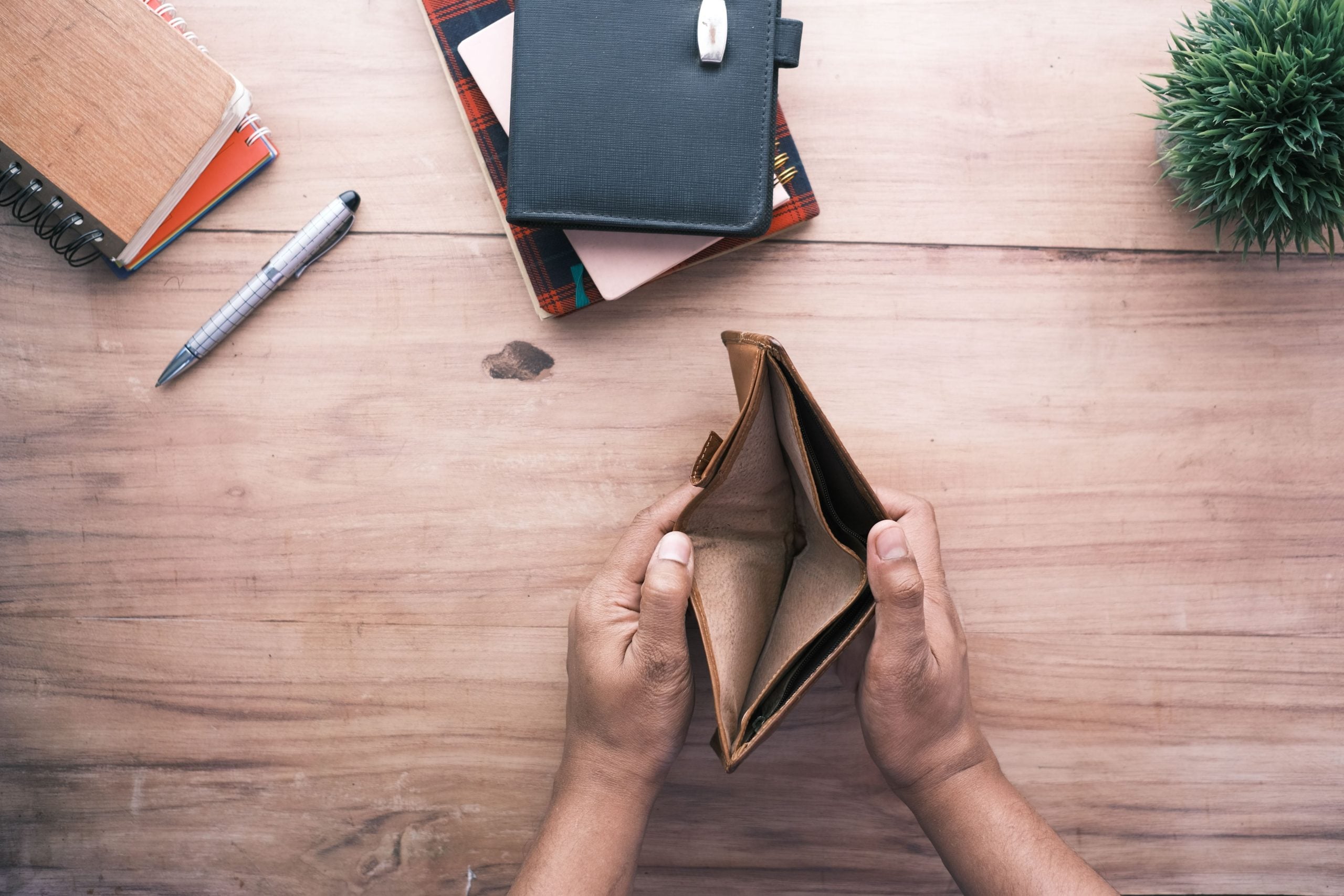

Payday loans are marketed as a fast and easy way to get money quick. But the truth is they’re among the most dangerous ways to borrow, engineered in a way that traps people in a cycle of debt.
In our guide, we’ll go over the dangers of payday loans — the predatory targeting, the triple digit APRs, the failure-by-design underwriting, the bank account and collections risk and the debt trap. We’ll also walk you through safer options and how to escape the payday loan debt cycle if you’re already in it.
Why Are Payday Loans So Dangerous?
There’s not one thing that makes payday loans dangerous. It’s the combination of an extremely high cost, a very short lump-sum repayment window and underwriting that doesn’t check whether you can actually afford to repay. Here are some the features of payday loans that can trap you in a debt cycle:
No credit check: You’re instead qualified based on income and a bank account. It may sound like it, but this isn’t a perk — it’s the reason these loans are so expensive and risky.
Loan fees: Fees range from $10-$30 per $100 borrowed.
High APRs: When you factor in fees you’re looking at APRs of almost 400%.
Short loan terms: These loans are typically paid back in a single payment on the borrower’s next payday.
Authorization for automatic repayment: To repay a payday loan, you typically write a post-dated check for the balance and fees or you give the lender authorization to electronically debit the funds from your bank. So whether you have the money when it’s due or not, it’s coming out of your account.
The combination of all of the above turns a small short-term loan into an expensive, long-term debt cycle for many borrowers.
The Sky-High Cost
We’ll be frank: Payday loans are extremely expensive. According to the Consumer Financial Protection Bureau, fees can push payday loan APRs into the triple digits. Here are two examples that break down the cost.
Say you take out a loan for $500 — a common amount. On the high end, a payday loan may charge you a fee of $30 per $100 owed. For a $500 loan, that’s $150 just in fees. At the end of your term, you’ll owe $650. That’s a whopping 782% APR.
Even with a $15 fee per $100. You’re looking at a total of $575 owed at the end of your term, which is a 391% APR.
For reference, the average credit card APR is in the 20% range. And, depending on your credit, you can get a personal loan with an even lower APR.
The Debt Trap: How the Cycle Works
Because of the high APRs and short repayment window, it’s easy to fall into a debt trap with payday loans. Here’s what that might look like:
- You borrow a small amount due in full — plus a fee — on your next payday.
- It comes due, but you can’t cover it and meet living expenses.
- You pay another fee to roll the loan over or take a new loan to cover the old one.
- The fees begin to stack with each cycle.
This cycle is common. In 2014, the CFPB found that four out of five payday loans are rolled over or renewed within 14 days.
They’re Designed for You to Fail
When you get a loan from a legitimate lender, they typically look at your debt-to-income ratio and other expenses like your rent payments. So your current financial obligations and whether or not you can afford a repayment plan are weighed during a lender’s approval decision.
But unlike legitimate lenders, payday lenders typically don’t do credit checks and they don’t assess whether you can repay the loan on top of your other obligations. They do require a bank account and proof of income, but that’s about it. Whether or not you can realistically repay the loan is not a consideration. Instead, the business model depends on repeat borrowing and payday lenders target people whose finances are already stretched, which makes payday lending predatory by design.
Risks to Your Bank Account
When you sign up for a payday loan, you typically have to give the lender a post-dated check or an authorization to take the amount owed out of your bank account. And when the due date comes, that’s what happens.
But if the money isn’t there, you can get hit twice — the lender’s returned-payment fee plus your bank’s overdraft or insufficient-funds fees — and repeated debit attempts can multiply those charges. If funds are loaded onto a prepaid card, extra card fees can apply. Note borrowers can revoke ACH authorization (link the exit guide for how).
Collections, Lawsuits, and Your Credit
So what happens if you can’t repay your payday loan?
You can’t be arrested simply for defaulting on a payday loan. But an unpaid payday loan can be sent to collections or a debt collector and you can be sued to collect, which may eventually result in wage garnishment. But that’s not automatic; it generally requires a court order.
Also: Payday lenders typically don’t report on-time payments to the credit bureaus, but a default can still affect your credit through the collections process.
Dealing with a debt collector can be stressful. Remember, they must follow federal rules against abusive practices. For more information, visit the Consumer Financial Protection Bureau’s guide on the Fair Debt Collection Practices Act.
Who Payday Lenders Target
Payday lenders often set up shop in lower income neighborhoods and market heavily to people with poor credit living paycheck to paycheck, who have few other options — exactly the borrowers least able to absorb a several-hundred-percent-APR loan.
It’s worth noting that some states have responded by capping rates for payday lending. Many states have a 36% cap, but some have a 15% cap, which effectively blocks payday loans, including Massachusetts, NewYork, South Dakota and West Virginia. Other states including Arizona, Georgia, Illinois and Kansas have outright payday loan prohibitions.
Safer Alternatives to Payday Loans
Personal loans, cash advance apps, payday alternative loans and others are all safer than no credit check payday loans. Here’s a look at each of them.
Ask for an extension: If you’re struggling to pay bills on time, you can ask a company or creditor for an extension or payment plan.
Borrow from family: Just make sure there are clear terms.
Personal loans: Loan marketplaces like AmOne and MoneyLion let you prequalify with a soft credit check to see estimated rates. (A hard check happens only if you accept an offer.) Rates are far below payday loan APRs, terms are longer, plus, these lenders report payments to the three credit bureaus, meaning they can help you build credit.
Cash advance apps: Cash advance apps like EarnIn advance a portion of earned wages with no credit check at all and no interest. Keep in mind advances are small. EarnIn users, for instance, can access up to $150 per day and up to $1,000 per pay period.
Credit union Payday Alternative Loans (PALs): Federal credit unions offer PALs, which are short-term, small dollar loans that don’t hinge on a strong credit score. These also offer a rate cap far below payday lenders and offer installment repayment. These are available only to credit union members.
Buy Now, Pay Later: For a specific purchase, buy-now-pay-later can split the cost into interest-free installments. However, there are risks associated with BNPL apps. See our guide for more.
Emergency savings: If you need cash fast, the lowest-cost option of all is your own emergency savings. Even a small cushion beats any no-credit-check payday loan.
Frequently Asked Questions
Payday loans are dangerous because of how their features combine: an extremely high cost (APRs often in the several-hundred-percent range, disguised as a flat fee), a very short window to repay the full amount at once, and underwriting that doesn’t check whether you can actually afford it. That combination turns a small, short-term loan into a long-term debt problem for many borrowers, who end up rolling the loan over and paying more in fees than they originally borrowed. Safer, far cheaper options almost always exist.
The debt trap is the cycle payday loans are built to create. Because the full balance plus a fee is due on your next payday, many borrowers can’t repay it and still cover their living expenses — so they pay another fee to roll the loan over or take out a new loan to cover the old one. Each cycle adds more fees, and borrowers can end up paying far more in fees than the amount they first borrowed, staying in debt for months. Research has found many payday borrowers take out numerous loans a year and stay indebted for much of it.
Yes, a payday lender (or a collector that buys the debt) can sue you to collect an unpaid loan — but some common fears are overblown. Wage or bank garnishment generally requires a court order, so it isn’t automatic, and you cannot be arrested simply for defaulting on a payday loan (it’s a civil debt, not a crime). That said, never ignore court papers — doing so makes it easy for the collector to win by default — and know that debt collectors are bound by federal law against abusive or deceptive practices.
In most cases, payday lenders don’t report your on-time payments to the major credit bureaus, so paying a payday loan back won’t help you build credit — one of the few ‘upsides’ of other loans that payday loans lack. However, if you default, the debt can be sent to collections or sold to a debt collector, and that can show up on your credit reports and hurt your score. So a payday loan offers little credit upside and real credit downside.
Before a payday loan, look at safer options: a credit union payday alternative loan (PAL) or small personal loan (far lower APRs, and you can prequalify with a soft credit check), asking the creditor you owe for an extension or payment plan, a cash advance app for a small gap, borrowing from family or friends with clear terms, or tapping emergency savings. If you’re already caught in payday debt, there’s a way out — see our guide on how to get out of payday loan debt.
Katie Sartoris is a Certified Educator in Personal Finance and an award-winning journalist with a decade of reporting and editing experience in the industry. She joined the Penny Hoarder from Gannett, where she was a local news editor in Central Florida. Katie lives in Leesburg with her husband and cats, and is working on restoring and updating her original mid-century home.