Secured vs. Unsecured Personal Loans: What’s the Difference?


Considering taking out a loan? You’ll need to know the differences between secured and unsecured loans first.
In short, a secured loan requires collateral, while an unsecured loan does not.
In our guide, we’ll take a closer look at the two types of loans, their differences, how each affects your credit score and help you decide which is right for you.
Secured vs. Unsecured Loans: What’s the Difference?
A secured loan is a type of loan backed by collateral that your lender can seize if you don’t make payments. Secured loans tend to have lower rates, higher limits and easier approval but put an asset as risk. For instance, a mortgage is a secured loan and your house is collateral.
An unsecured loan, on the other hand, doesn’t require collateral. For an unsecured loan, banks consider factors like credit score and income during the approval process, but don’t require an asset as collateral. They typically come with higher rates, lower limits and a shorter approval time.
Here’s a side-by-side comparison of the two:
Secured vs. Unsecured Loans
| Secured Loans | Unsecured Loans |
|---|---|
Backed by collateral |
Not backed by collateral by collateral |
Riskier for the lender |
Riskier for the lender |
Higher borrowing limits borrowing limits |
Lower borrowing limits |
Lower credit score requirements |
Higher credit score requirements |
Lower interest rates interest rates |
Higher interest rates |
Longer approval process |
Quicker funding speed |
What Is a Secured Loan?

A secured loan is a type of loan in which you pledge financial assets as security so that a bank or credit union will lend you money. If you don’t make payments according to the loan contract, the lender can take those assets. A secured loan can be backed by assets like real estate, a vehicle, a savings account, a cash deposit or business inventory.
Examples of secured loans include mortgages, home equity loans, car loans, secured credit cards and business loans.
Here’s a a look at the pros and cons of secured loans:
Pros
- Lower interest rates
- Higher amounts
- Easier approval
- Can help build credit
Cons
- Risk of losing the asset
- More paperwork, longer approval process
- Potential to overborrow
What Is an Unsecured Loan?
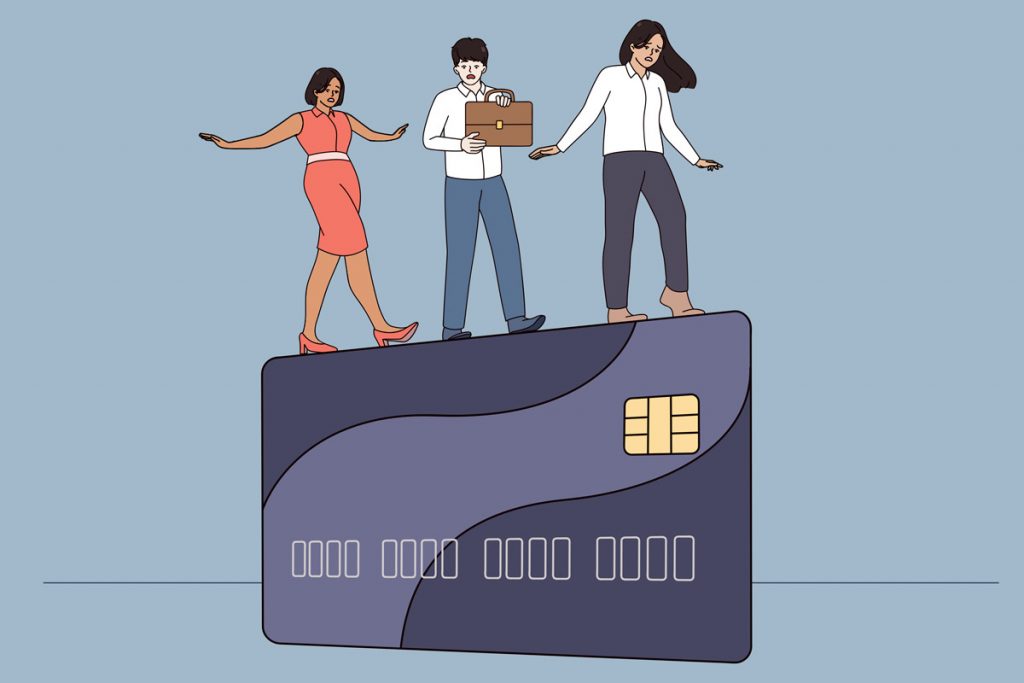
An unsecured loan is simply any type of loan that doesn’t require collateral. With a mortgage, the house itself is the collateral. That’s a secured loan. If the homeowner defaults, the bank can choose to take the house as collateral.
With an unsecured loan, the bank looks at other factors — such as your credit score — during the approval process, but doesn’t require an asset as collateral. Examples of unsecured loans include credit cards, student loans, personal loans and buy now, pay later loans. And if you default, the repercussions could include credit damage and legal action.
Here’s a look at pros and cons of unsecured loans:
Pros
- No asset at risk
- Faster approval
- Widely available
Cons
- Higher interest rates
- Stricter
- Smaller loan amounts
- Default can bring collections/legal action and credit damage
How Secured and Unsecured Loans Affect Your Credit
Both secured and unsecured loans work similarly for credit. Applying for either triggers a hard credit inquiry, which results in a small temporary dip in your credit score.
The key difference between the two types of loans is the consequences of defaulting. If you default on a secured loan, you risk losing your collateral — for example, your house with a mortgage or your car with an auto loan. Defaulting on an unsecured loan means the lender could pursue collections or legal action.
Which Is Right for You?

Which type of loan is right for you depends on your needs.
A secured loan may be right for you if you’ve got collateral like your home with a mortgage or your car with an auto loan. These loans typically come with higher limits and lower interest rates and are good for building or rebuilding credit. You should also be confident you can repay these types of loans — defaulting means the loss of your collateral.
An unsecured loan may be right for you if you aren’t willing to offer up collateral. A good rate for this kind of loan, however, often relies on a decent credit score and solid income. You’ll typically be able to secure funding faster with an unsecured loan, but loan amounts are smaller. If you’re leaning toward taking out a personal loan, here are the best personal loans.
Frequently Asked Questions
Collateral. A secured loan is backed by an asset — like a car, home, or savings account — that the lender can take if you don’t repay. An unsecured loan isn’t backed by any asset; the lender approves you based on your credit, income, and overall financial picture. That single difference drives most of the others: secured loans tend to offer lower rates and higher amounts because the lender has less risk, while unsecured loans cost a bit more and lean more heavily on your creditworthiness, but they don’t put a specific asset on the line.
Most personal loans are unsecured, meaning you don’t have to pledge collateral — approval is based on your credit and income. That said, some lenders do offer secured personal loans that let you back the loan with an asset like a savings account, CD, or vehicle, usually to help you qualify or get a lower rate than your credit alone would earn. If keeping an asset off the line matters to you, an unsecured personal loan avoids that risk; if you want a better rate and have collateral, a secured version may be worth asking about.
A secured loan is often easier to qualify for, especially if your credit is limited or less-than-perfect, because the collateral lowers the lender’s risk. The trade-off is that you’re putting an asset on the line and could lose it if you default. Unsecured loans don’t risk your property, but they usually require stronger credit and income to get approved and to earn a good rate. Prequalifying with a soft credit check is a low-risk way to see what you might qualify for either way.
Generally, yes. Because a secured loan gives the lender an asset to fall back on, it carries less risk for them, and that usually translates into a lower interest rate and sometimes a higher borrowing limit than an unsecured loan. Unsecured loans tend to cost more to offset the added risk. Just weigh the savings against what you’d be putting up as collateral — a lower rate isn’t worth much if you can’t comfortably make the payments and risk losing the asset.
Katie Sartoris is a Certified Educator in Personal Finance and an award-winning journalist with a decade of reporting and editing experience in the industry. She joined the Penny Hoarder from Gannett, where she was a local news editor in Central Florida. Katie lives in Leesburg with her husband and cats, and is working on restoring and updating her original mid-century home.