Shopping Addiction: Signs, Symptoms and How to Stop Compulsive Buying



We’ve all been there. A stressful day never seems to end and there’s only one thing that can make it better: the intoxicating hope of a new purchase. Perhaps your pulse starts racing at the sign of a new sale or the sight of a new blouse in the fitting room.
Shopping addiction is a confusing disorder in part because the practice of shopping is so normalized in our culture. Yet a 2016 academic study shows that roughly 5% of people suffer from compulsive shopping, which is loosely defined by the Cleveland Clinic as shopping behavior that has become “excessive or unmanageable,” the “primary way to cope with stress” or even “financially irresponsible.”
Still, there are key signs that distinguish a fun-loving shopaholic from someone whose compulsive shopping might actually be hurting themselves and others. These include the psychological reasons behind the purchases and how far you will go to make it continue, including shoplifting or forging checks.
But for many, the warning signs of a shopping addiction are not as obvious as an illegal act. Before you head to your local TJ Maxx or Target, consider whether your trip is motivated by just a little harmless fun or something a little more insidious.
What Is Shopping Addiction?
Shopping addiction is so named because there is something both impulsive and chemical about it. German psychiatrist Emil Kraepelin first used the term “oniomania” to describe the phenomenon, essentially boiling down its sufferers to “buying maniacs.”
Perhaps one of the key factors that delineates an addiction from a mere interest in shopping is a preoccupation with the act even when mounting evidence shows it has a negative impact. Experts say compulsive shoppers can “develop thoughts, urges and preoccupations that prepare them for shopping and spending.” Compulsive buying behavior is generally “uncontrollable, markedly-distressing, time-consuming” and results in difficulties either to finances, familial and social relationships or work. It can often come in four stages: anticipation, preparation, shopping and spending.
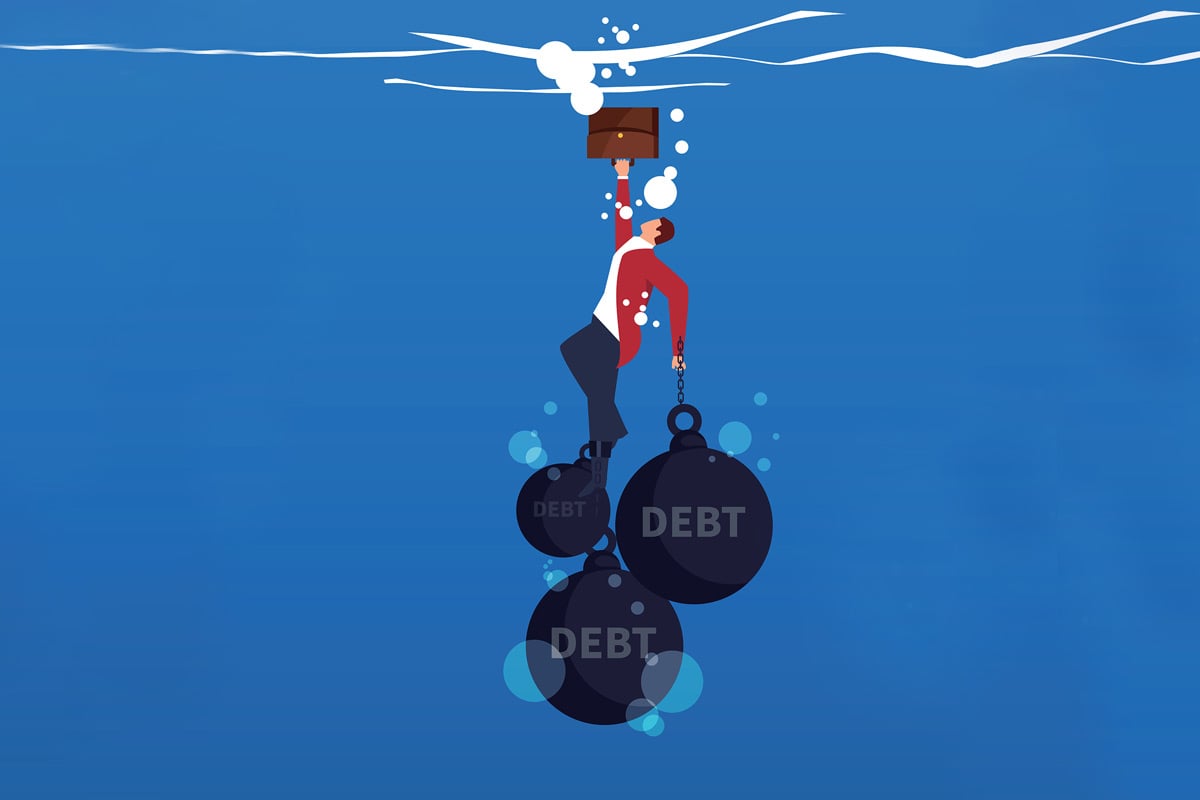
- More worryingly, compulsive spending can have serious psychological and financial effects over time, including:
- Arguments about money
- Guilt or shame about purchases
- Growing credit card debt
- Financial stress or missed bills
- Bankruptcy
Many mental health professionals classify compulsive buying as a behavioral addiction, similar to gambling or internet addiction, because it involves repeated behavior despite negative consequences.

10 Signs You May Have a Shopping Addiction
Shopping addiction often appears through emotional spending habits and difficulty controlling purchases.
Quick Signs Checklist
You may have a shopping addiction if you frequently:
- Shop to change your mood
- Hide purchases from others
- Feel guilt, shame and regret after buying
- Make unnecessary purchases
- Struggle to control your spending and accumulate debt
If more than one of these behaviors seem common to you, then your shopping habits may have teetered past the point of normalcy and into addiction territory.
1. You Shop to Change Your Mood
Does shopping release a wave of euphoria within you? Do you go shopping when you’re in a bad mood because you know it will turn things around, at least temporarily?
You may feel the urge to shop when you feel:
- Stressed
- Lonely
- Bored
- Anxious
- Disappointed
- Depressed
But unfortunately, this surefire solution quickly meets its match when you come home and realize that the emotional high has faded and you’re faced with the money you’ve spent.
2. You Hide Purchases From Others
If you find yourself tucking new boxes behind the laundry hamper or hiding purchases from your partner, this may be a subconscious sign that your spending habits are getting out of control.
Some of these behaviors might look like:
- Hiding delivery boxes when they come in from online shopping
- Deleting receipts or order confirmations if you have a shared bank account or email system
- Minimizing how much an item cost if your partner asks about your latest purchase
Secrecy around spending and shame around how much you’ve spent is a common pattern with compulsive buying, in large part because you don’t have agency over what you’re buying and how much money you’re paying.
3. You Feel Guilty After Buying
Feeling guilt or regret immediately after buying something is a common symptom of compulsive spending.
Many people may experience an emotional cycle that looks like this:
Anticipation (defined by urge to shop) → preparation (deciding where to go and what credit cards to use) → shopping (actually buying the item and feeling a great sense of excitement) → spending(now reality has set in and frustration and regret begins).
Over time, the guilt can grow stronger while the excitement becomes shorter.
4. You Buy Things You Rarely Use
While compulsive shopping is almost always characterized by some kind of unnecessary purchase, routinely buying things you won’t even use is a telltale sign that something is not right. This is more about the sensation gleaned from buying the item and less about the item itself.
Examples could be:
- Clothes with tags still attached
- Buying products you already own or duplicates
- Unused gadgets
- Unopened packages
If things are sitting in your closet or cupboard without even being used after you buy them, this is an addictive behavior that is feeding a desire in the brain but not actually leading to use of the item itself. Not only can this lead to clutter, but it can also create money problems down the road.
5. You Shop When Stressed or Bored
The next time you go shopping, pay attention to your mental state. Do you really need to buy something? Or are you just overwhelmed or bored and need an easy escape?
There’s nothing wrong with relying on shopping as an impulse—occasionally. But if it’s your daily or weekly routine when a small thing goes wrong, you may want to examine what’s causing you distress in the first place rather than going straight to the self-identified solution.
6. Your Spending Creates Financial Problems
Financial problems caused by your frequent shopping should set off alarm bells in your head.
That could look like:
- Rising credit card balances
- Difficulty paying bills
- Borrowing money to cover purchases
- Struggling to stay within a budget
When spending interferes with essential expenses, it likely signals a deeper problem.
7. You Return Items Frequently
Lots of items at home with their tags still on, waiting to be taken to the store to be returned? Frequent trips to and from the store to return your items can indicate that the excitement of buying matters more than owning the item.
Some people make impulsive purchases and later return them once the emotional rush fades.
8. You Constantly Browse Online Stores
Spending large amounts of time browsing shopping apps or retail websites may signal a developing habit. When you’re not shopping, you’re still thinking about shopping, essentially.
This could be you if you find yourself:
- Scrolling retail apps late at night
- Checking sales repeatedly
- Watching product deal videos
- Browsing items without intending to buy
- Putting items into your shopping cart and going back to them
Over time, the browsing itself can become addictive and part of the process.
9. You Feel a Rush When You Buy Something
Feeling a rush or emotional high during a purchase is connected to the brain’s reward system.
Buying something can release dopamine, a chemical linked to pleasure and motivation, which reinforces the behavior. While this is a somewhat natural part of the buying process, if it’s the reason you’re purchasing something instead of just a secondary effect, then you may want to reconsider your relationship with shopping.
10. You Struggle to Stop Shopping
Just can’t quit? Difficulty cutting back on spending despite trying to reduce purchases is one of the strongest indicators of compulsive buying.
Loss of control over spending behavior is a defining characteristic of many behavioral addictions. If it’s impossible to pull yourself away from your regular shopping habit, even in the face of clear negative consequences, then you’re probably at the stage where you’ll have to re-evaluate.
Why Shopping Can Become Addictive
While shopping may seem harmless at the outset, researchers say the act can become so addictive because it is largely a self-soothing technique. It can also be an avoidant tactic to combat other potential addictions—someone with an alcoholic parent, for example, may not drink but choose to shop instead in moments of doubt and grief, according to psychological experts.
We all know what it’s like to get that rush of dopamine, what one medical expert calls “joy juice,” from a burst of validation or, in this case, a purchase. The problem is that it is called a high for good reason—it doesn’t last long and elicits a comedown afterwards. Worse yet, it can also create a dependency, requiring the addicted person to go back again and again to get that same euphoria.
There are several factors that can contribute to compulsive buying behavior.
Emotional Coping
Some people shop to manage uncomfortable emotions such as stress, sadness or loneliness.
Instant Gratification
Purchasing something provides an immediate sense of reward, satisfaction and euphoria.
Social Pressure
Advertising and social media constantly promote new products and lifestyle comparisons. It’s almost impossible to avoid being bombarded with something new to buy.
Easy Access to Credit
Credit cards and buy-now-pay-later services make spending feel easier and less immediate. It doesn’t feel like spending real money when it’s not coming directly out of your pocket, but this also makes it easier to misgauge how much money you actually have.
Unfortunately, all of these influences can make shopping feel rewarding even when it leads to negative financial consequences.
Online Shopping Addiction: Why It’s Harder to Control

Does your inbox or your Instagram feed sometimes feel like it’s screaming at you, begging you to buy the latest thing that will change your life and rid you of insecurity? This is one of the reasons why compulsive buying and online shopping addiction are harder to control—temptation is right at your fingertips.
Make no mistake, the stores know this just as well as we do. Retail apps and e-commerce websites often include features designed to encourage frequent browsing and impulse purchases.
Common triggers include:
- Flash sales and countdown timers
- Personalized product recommendations
- One-click checkout
- Free shipping offers
- Loyalty reward discount programs
Because purchases can be completed instantly or even buy-now-pay-later, it becomes easier to spend money without pausing to consider the financial impact
How to Stop a Shopping Addiction

If you’ve gotten this far through the article and are thinking, “Maybe I have a problem,” then perhaps trying to stop your shopping addiction and curb your spending habits is the right way to go. This work will involve actually identifying the emotional triggers that caused you to shop in the first place and then slowly and steadily trying to eliminate the behavior.
But fret not: even small changes in spending habits can make a big difference over time.
1. Identify Emotional Triggers
Consider keeping a diary or jotting down some notes the next time you feel compelled to buy. What factors led to the situation? Did you just have a fight with your partner or get bad news from work? Were you struggling to complete a boring report? Were you missing a recently deceased loved one?
Any of these could be triggers for a buying habit. Spending impulses often come when we feel bored, stressed, anxious, depressed or lonely.
2. Take 24 Hours
Instituting a waiting period between you and your urgent need is a good way to see just how much you really want that purchase.
Potential shopping addicts often initiate a 24-hour rule, which involves waiting at least one day before wanting to buy something and actually pulling the trigger.
3. Remove Shopping Apps
We all want to be impervious to the temptations that call to us from daily life, but the reality is that experts say managing a shopping addiction is about having the right tools rather than simply enough willpower.
Rid yourself of one thing easily: delete your shopping apps and unsubscribe from promotional emails. This will at least take away one form of daily exposure. Don’t think you’re strong enough to ward off all temptation.
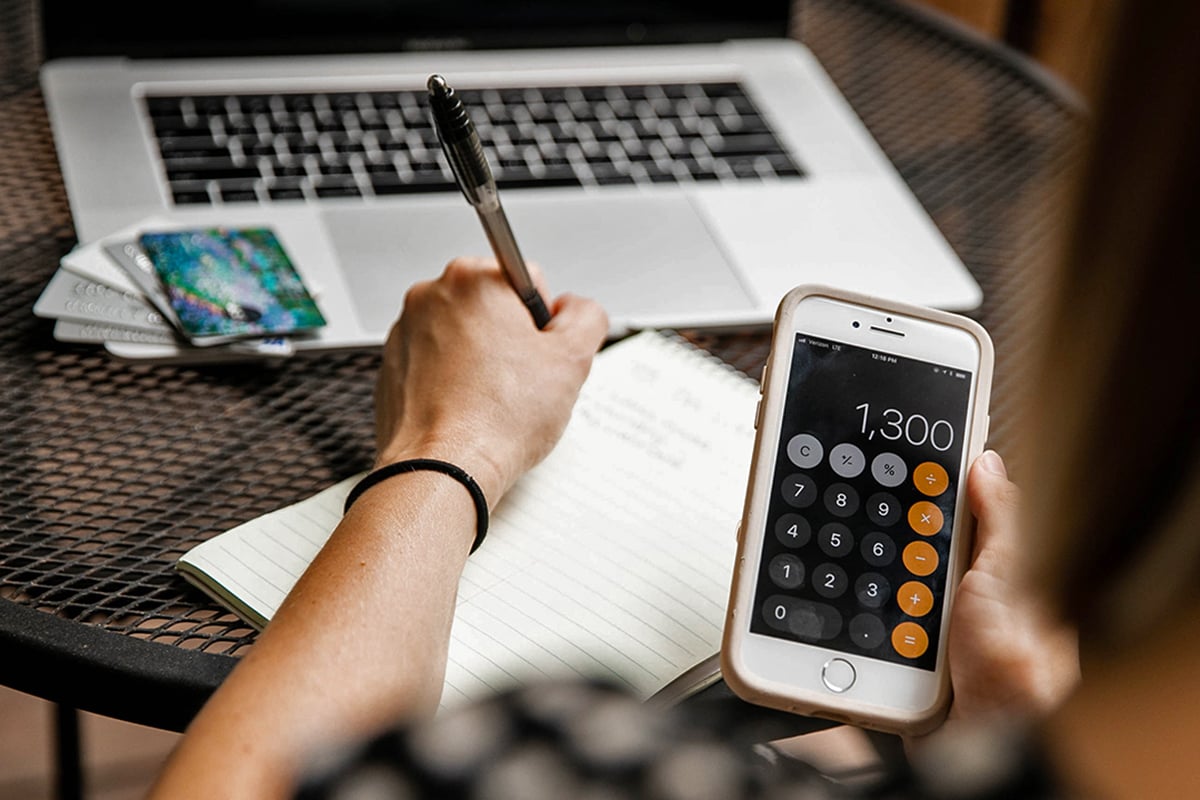
4. Track Your Spending Habits
Tracking purchases helps reveal patterns in your spending behavior.
Consider recording:
- What you bought
- How much it cost
- How you felt before purchasing
- What percentage of your monthly spending goes toward purchases
This information can help you identify emotional triggers and may shock you by how much you’re spending in total each month, even if individual purchases aren’t all that costly.
5. Replace Shopping With Healthier Habits
Eliminating a bad thought isn’t usually as simple as just getting rid of it—sometimes we have to replace it with something else. The same thing holds true when it comes to shopping. When you feel the urge to shop, try doing something else instead.
These might include:
- Exercise or walking
- Creative hobbies, like writing, dancing or drawing
- Meeting friends
- Volunteering
- Learning new skills, like a language
These alternatives can provide enjoyment without creating financial stress.
6. Use Cash or Debit for Discretionary Spending
Using cash or debit cards for discretionary purchases can make spending feel more tangible.
Limiting access to credit cards often reduces impulse purchases because you see money leaving your account immediately.
When to Seek Professional Help
Seeking professional help can be useful if shopping addiction is affecting your finances, relationships or emotional well-being. Experts say that cognitive behavioral therapy is a key way to understand where the emotional roots of your issues come from and how you can work to solve them from the source.
Possible sources of support include:
- Therapy or counseling
- Support groups focused on compulsive spending
- Financial counseling
A mental health professional can help address the emotional patterns behind compulsive buying and develop healthier coping strategies. Financial counselors may also help create a plan to manage debt and rebuild healthy spending habits.
Frequently Asked Questions About Shopping Addiction
Shopping addiction is widely recognized by psychologists as a behavioral addiction commonly called compulsive buying disorder. It involves repeated urges to shop despite negative consequences such as debt, guilt and shame or relationship problems. While it is not always listed as a formal diagnosis in medical manuals, many mental health professionals treat it as an impulse-control issue that can benefit from therapy and behavioral strategies.
Compulsive buying is often caused by a mix of emotional triggers, personality traits and environmental influences. Stress, boredom, low self-esteem and social comparison can all contribute to the urge to shop. Marketing, social media and easy access to credit can reinforce the behavior by making spending feel rewarding and convenient.
Stopping impulse shopping usually involves creating barriers between you and quick purchases. Waiting 24 hours before buying non-essential items, deleting shopping apps and tracking spending habits can reduce impulsive decisions. Identifying emotional triggers also helps you replace shopping with healthier coping activities.
Shopping addiction can cause serious financial stress if spending continues unchecked. Repeated impulse purchases may lead to growing credit card balances, missed payments or difficulty saving money. Over time, this financial pressure can affect relationships and long-term financial stability.
Online shopping can feel addictive because it offers instant rewards, a quick rush of dopamine and constant access to products. Features like one-click checkout, flash sales,personalized recommendations and buy-now-pay-later encourage frequent browsing and impulse purchases. These design elements can make it harder for some people to control spending.
What to Do if You Think You Have a Shopping Addiction
Recognizing that your spending habits may be out of control is an important first step toward change. But know you are not alone. Roughly 5% of the population suffers from something similar.
Shopping addiction often develops gradually, which means many people don’t notice the pattern until financial stress or guilt begins to build. Identifying emotional triggers, setting boundaries around spending and seeking support when needed can help you regain control.
If compulsive buying has already created debt or emotional strain, speaking with a therapist or financial professional can provide practical guidance. With awareness and consistent habits, many people are able to rebuild a healthier relationship with money and spending.