How Much Cash Can You Make Donating Plasma? Here’s What First-Timers Earn


You can sell a lot of things to make extra cash — clothes, furniture, books, etc. Pretty much anything legal that people are willing to pay for. But the next time you want to sell something to make some money, you might not need to look around your house. You could be selling plasma.
Most places will still call this donating plasma, but you are sometimes compensated. How much depends on how often you donate and where you go. There also are rules, eligibility requirements and risks to keep in mind.
We’ll go over all that and more to see if you should be selling plasma to pick up some extra money.
Make money easier. Sign up for The Penny Hoarder’s free newsletter today.
What Does Selling Plasma Mean?
It’s somewhat similar to donating blood. When you donate blood, you’re donating whole blood that’s commonly used for things like transfusions. This is not usually something you’re paid for, although you often get some free cookies and orange juice.
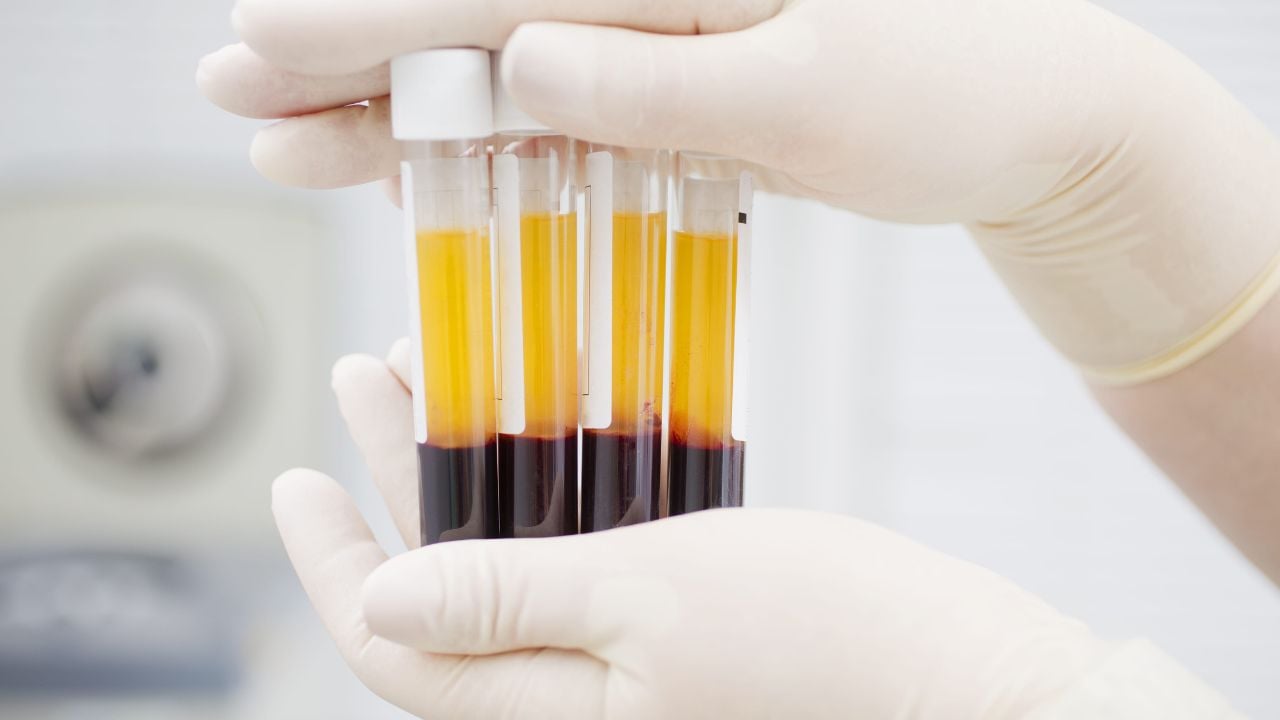
Plasma and plasma-derived therapies can treat ailments like burns, bleeding disorders and more. When you donate (or sell) plasma at a licensed center, you also get some blood drawn, but it goes right into the machine that separates the plasma. Then everything else gets put back into your body, the center keeps the plasma and you get paid.
The reason you get paid for donating plasma but not blood is because donating plasma is a much lengthier process. But how much you’re compensated depends on a lot of factors, which we’ll go over later.
Is Selling Plasma Safe?
Selling plasma is generally considered safe, but it should be done at a licensed center by people who meet the eligibility criteria.
Even then, it’s still possible to feel some side effects, according to ABO Plasma1, such as:
- Fatigue
- Dehydration
- Dizziness or fainting
- Bruising at the needle site
Centers will do a health screening before each donation to make sure you’re a good candidate. In fact, if they don’t, that’s a red flag and you shouldn’t donate there.
The US Department of Health and Human Services recommends drinking lots of water and eating a healthy, low-fat meal to prepare.2 And make sure to answer any health screening questions honestly. It’s not worth risking your health to try to skate through the screening.
Who Can Sell Plasma (Eligibility Rules)
Most plasma centers follow similar eligibility requirements. You’ll want to double check with the center you plan to donate to, but these are some general rules to expect:
- Be at least 18 years old
- Be in good health
- Meet a minimum weight (usually around 110 pounds)
- Have a valid government-issued photo ID with proof of address
- No tattoos or piercing within the last four months (this isn’t a rule everywhere, but it is some places)
Certain medical conditions (chronic or temporary) could also disqualify you, as they’d make it unsafe for you to donate plasma. This could include hemophilia, high blood pressure and low hematocrit so consult your doctor before selling plasma.
How Often Can You Sell Plasma?
This part also differs quite a bit from donating blood. Your body needs time to replenish what it lost after donating blood. That’s why you can only donate it about every 56 days.
Plasma you can donate more frequently because your body replaces it faster. You can donate it twice in a seven day period with a full day in between, according to FDA regulations3. However, where you donate might have its own rules. Especially if you aim to become a frequent, long-term donor.
How Much Can You Make Selling Plasma?
Selling plasma could earn you a few hundred dollars per month. But that will all depend on the center you go to, where you live, how often you donate and even how much you weigh. (That’s because people who weigh more have a larger total blood volume.)
Some places also offer more for the initial donations then it tapers down from there. Or if there’s low inventory, there might be a temporary bonus offer.
This is about what you can expect, according to ABO Plasma.
- You may get a “first timer” bonus to get you in the door. That could be about $50-$100.
- Some centers may offer as high as $700-$1,000 a month for reaching a certain number of donations within a specified time frame. Be very careful with this, though. Some people experience negative effects from frequent donation.
- Outside any fancy offers, expect about $20-$60 per donation.
- Centers most often give the payment through prepaid debit cards.
To maximize your earnings, look out for promotions, loyalty programs or referral programs where you get more money for referring a friend.
How We Researched Selling Plasma
We researched selling plasma by reviewing donation center policies, medical guidance and compensation models across some major providers.
Our research included:
- Reviewing FDA guidance on plasma donation
- Comparing eligibility and frequency rules among plasma center chains
- Reviewing medical resources on safety and side effects
Pros and Cons of Selling Plasma
Selling plasma gets you a moderate amount of extra cash. You can get money fairly quickly and it doesn’t require any special skills. But there are drawbacks to keep in mind, including the time it takes to actually give plasma — expect it to take two hours for the initial visit. And because of the waiting period and potential side effects, selling plasma really isn’t sustainable as long-term income.
Pros
- You can get money fairly quickly
- There’s no need to have any special skills
- The waiting period between donating is relatively short
Cons
- Appointments can be time-consuming (about two hours your first time, then closer to 90 minutes from there)
- There’s a chance you’ll feel physical side effects
- Earnings aren’t that high, and waiting periods limit how much you can make
- It’s not sustainable as long-term income
Who Selling Plasma Is Best For
Selling plasma is best for healthy adults who understand the risks and need short-term supplemental income.
It may make sense if you:
- Are in good health
- Can tolerate needles and medical procedures
- Need a moderate amount of extra cash
Trying to sell as much plasma as possible to make a lot of money could result in side effects. Talk with the center you plan to donate to about a good schedule to follow.
Selling Plasma FAQs
These are answers to common questions people ask about selling plasma.
Selling plasma is generally considered safe for eligible donors when done within guidelines, but long-term donation may require monitoring health markers like protein levels. It isn’t recommended for everyone.
Some donors earn a few hundred dollars per month, but pay varies by center, location and bonuses. It’s typical to earn more from your first donation, then compensation may go down.
A typical donation appointment can take one to two hours, especially for first-time donors who need additional screening. Prepare for at least two hours for your first appointment.
No. Most centers limit donations to twice per week with required rest days in between to protect donor health.
It depends how you feel about needles and how well it’s put in. It’s possible to experience soreness or fatigue afterward. Pain levels vary by person.
Final Verdict — Is Selling Plasma Worth It?
Selling plasma is great for people who want an extra hundred bucks or so a month, aren’t bothered by medical procedures and who pass the health screenings. It’s also better for those who have the time for longer appointments.
Keep in mind it can help cover short-term expenses, but it shouldn’t be relied on as a primary income source. There are physical limits and the pay isn’t that consistent.
But if you’re eligible and are OK with the risks, it’s a decent way to make some extra cash that also helps people in need.
1. ABO Plasma 2. US Department of Health and Human Services 3. FDA