The 15 Best Places to Buy and Sell Vintage Items (Online & Near You)


Whether you’re a vintage reseller or a vintage buyer, there are lots of places for you to shop and sell. The best places to sell vintage items include Etsy, eBay, Chairish and Facebook Marketplace, but the right platform depends on what you’re selling and whether you want to ship items or sell locally.
If you’re flipping thrift-store finds for extra income or searching for a one-of-a-kind mid-century piece, choosing the right marketplace can affect both profit and convenience. Below, you’ll find a breakdown of the top places to buy and sell vintage items online and near you — including fees, ideal item types and realistic income expectations.
Top 3 Platforms for Beginners
- Etsy: Best for curated vintage shops
- eBay: Best for collectibles and auctions
- Facebook Marketplace: Best for selling locally without shipping
For most beginners, Etsy offers branding control, eBay provides pricing flexibility and Facebook Marketplace helps you avoid shipping costs altogether.
What Counts as “Vintage”?
An item is considered vintage if it is at least 20 years old but less than 100 years old.
Items older than 100 years are classified as antiques, while “retro” usually describes newer items designed to look older. However, age alone does not guarantee value. An item’s condition, brand, rarity and demand ultimately determine resale price.
Make Money Outside of Selling Vintage
Becoming a vintage seller can make for a lucrative side hustle. If you’re looking for more ways to make quick cash, we’ve got some ideas for you. From sharing your honest opinions to doing simple online tasks, these are our favorite ways.
| Offer | What You Can Earn | What You Have to Do | Take Action |
|---|---|---|---|
| InboxDollars | $225/month | Complete short surveys | |
| FreeCash | $1,000/month | Simple online tasks | |
| GoBranded | Up to $140/month | Share your honest opinion | |
| Solitaire Cash | Up to $83 per win | Compete against other players | |
| Bingo Cash | Up to $83 per win | Compete against other players | |
| Kashkick | $1,000/month | Try out apps |
The Best Places to Sell Vintage Items Online
The ideal online platforms for selling vintage items depend on your inventory type and how involved you want to be in branding and marketing.
The Best Places to Sell Vintage Items Online
| Platform | Best For | Typical Seller Fees* | Ideal Item Types | Online or Local |
|---|---|---|---|---|
Etsy |
Curated shops |
Around 6.5% transaction fees, payment processing |
Clothing, décor |
Online |
eBay |
Auctions and collectibles |
13%–15% final value fee depending on category |
Electronics, toys |
Online |
Chairish |
Furniture |
Commission-based |
Mid-century furniture |
Online |
1stDibs |
Luxury antiques |
Commission-based |
Fine art |
Online |
Ruby Lane |
Jewelry and art |
Monthly plus service fee |
Estate jewelry |
Online |
Depop |
Trendy clothing |
Around 10% selling fee plus processing |
Y2K fashion |
Online |
Poshmark |
Branded fashion |
20% commission on most sales |
Designer labels |
Online |
Mercari |
General resale |
Around 10% selling fee plus processing |
Small décor |
Online |
*Seller fees change periodically. Always review current policies before listing.
Etsy – Best for Curated Vintage Shops
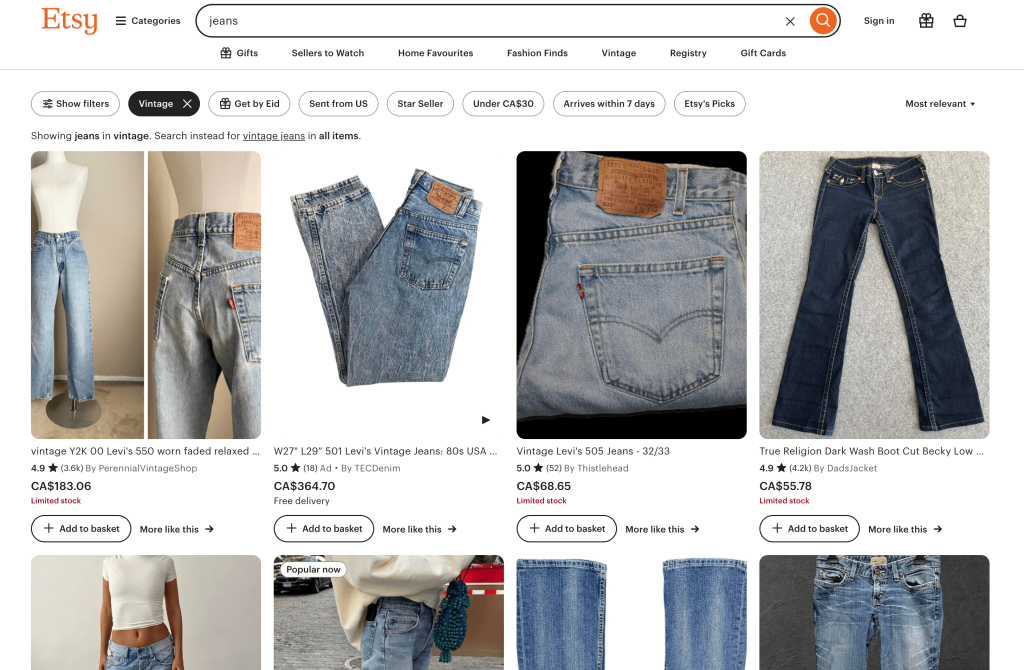
Etsy works best for sellers who want to build a brand with their storefront and those who provide intentionally sourced vintage inventory. Etsy requires hand-picked items to be at least 20 years old. Detailed descriptions, measurements and clear photos help listings rank better in Etsy search.
Best For: Vintage clothing, décor, collectibles
Pros: Built-in audience, customizable shop, search visibility
Cons: Listing fees and competition
eBay – Best for Auctions and Rare Finds
eBay is ideal for sellers selling collectibles or items with an unknown market value. However, checking sold listings on eBay can help you estimate realistic sale prices before listing.
Best For: Vinyl records, toys, retro electronics
Pros: Auction format, global buyers
Cons: Fees apply to total sale price including shipping
Chairish – Best for Vintage Furniture
Chairish is best suited for sellers offering design-focused furniture and décor. Freight shipping for large items can significantly affect margins, so factor those costs into your pricing.
Best For: Mid-century modern furniture, statement pieces
Pros: Design-savvy buyers
Cons: Commission structure

1stDibs – Best for High-End Antiques
1stDibs caters to luxury buyers seeking authenticated antiques and fine art. This platform is best for established dealers.
Best For: Fine art, rare collectibles
Pros: Premium marketplace positioning
Cons: Strict approval requirements
Ruby Lane – Best for Jewelry and Fine Collectibles
Ruby Lane specializes in estate jewelry and fine collectibles. Authentication and documentation are especially important for these types of listings.
Best For: Vintage rings, brooches, porcelain
Pros: Targeted audience
Cons: Monthly maintenance costs
Depop – Best for Trend-Driven Vintage Clothing
Depop appeals to younger buyers shopping for 90s and Y2K fashion. Quality photos and relevant hashtags can improve visibility.
Best For: Streetwear, graphic tees
Pros: Social-style selling
Cons: Trend cycles shift quickly
Poshmark – Best for Branded Vintage Fashion
Poshmark works well for recognizable brands and designer labels. Provide proof of authenticity to help build buyer trust.
Best For: Vintage Levi’s, designer handbags
Pros: Simplified shipping labels
Cons: 20% commission on most sales
Mercari – Best for Casual Vintage Sellers
Mercari provides a straightforward selling option for smaller vintage goods. It’s a low-barrier-to-entry option for resale beginners.
Best For: Home décor, small collectibles
Pros: Easy listing process
Cons: Competitive pricing
The Best Places to Sell Vintage Items Locally
Local platforms allow you to avoid shipping costs and connect with buyers nearby.
Facebook Marketplace
Facebook Marketplace is one of the easiest ways to avoid shipping when selling vintage items. It works especially well for furniture and bulky décor. Quality photos and quick responses improve your chances of closing sales.
Craigslist
Believe it or not, Craigslist remains relevant for local transactions. However, it lacks built-in buyer protections, so communication and safe meetups are important.
OfferUp and Nextdoor
OfferUp and Nextdoor provide additional community-based selling options. Both platforms can help you move items quickly within your neighborhood.
Flea Markets and Antique Malls
Flea markets and antique malls may be a good option for selling your vintage items locally. They regularly get foot traffic from folks who are perusing for vintage treasures. However, renting a table at a flea market or a booth in an antique mall costs money, so if you aren’t moving a lot of inventory at once, it may not be worth it.
How to Stay Safe When Selling Locally
It’s important to keep safety top-of-mind when meeting buyers. Reduce risk by meeting in well-lit public places and avoiding wire transfers or prepaid gift card payments.
For higher-value items like designer handbags, you may want to consider using platforms with built-in payment systems. Trust your instincts and avoid buyers who pressure you to move conversations off-platform.

The Best Places to Buy Vintage Items
The best places to buy vintage items include Etsy, eBay, thrift stores, estate sales, flea markets and Facebook Marketplace.
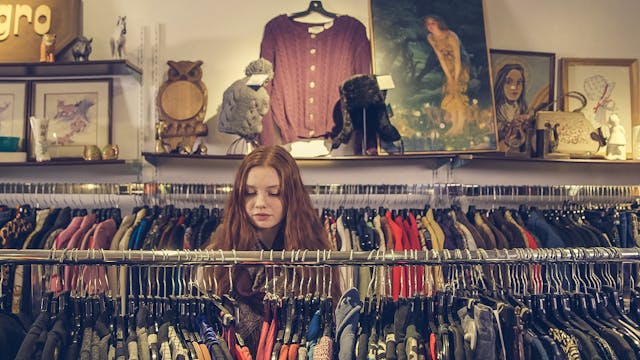
Buyers who want curated, ready-to-style pieces may prefer Etsy or Chairish, where pricing is typically higher but you’ll likely find exactly what you want. Bargain hunters will find lower prices at thrift stores, estate sales and flea markets, though selection can vary widely.
What Vintage Items Sell for the Most Money?
As with anything, vintage items that sell for the most money are in demand with a limited supply. There’s a caveat to that, though. Trends and tastes change, so what’s in this year may be out next year… or next month. If you keep up with the latest vintage trends, you’ll be able to maintain a fresh and relevant inventory. And remember: Condition, brand recognition and rarity usually matter more than age alone.
At the moment, high-performing categories include:
- Midcentury modern furniture
- Designer fashion and handbags
- Vinyl records
- Vintage jewelry
- Vintage gaming systems
- Pyrex and collectible kitchenware
- Action figures and toys
How to Price Vintage Items
The most reliable way to price vintage items is to review recently sold listings and subtract estimated fees and shipping costs.
- Search your item on eBay and filter by “Sold.”
- Compare condition carefully.
- Subtract platform fees (often 10%–20%).
- Estimate shipping expenses.
- Leave room for negotiation if selling locally.
Can You Make Money Selling Vintage?
You can make money selling vintage items, but profits depend on sourcing costs, demand, storage space and marketplace fees.
For example:
- You pay $25 for a vintage lamp at an estate sale.
- You sell it on Etsy for $140.
- Etsy takes an estimated 10-15% in fees.
- You end up making $90 to $100 in profit from the lamp.
Of course, results will vary. Some items sell quickly, while others may take months. As with any side hustle, success depends on research, consistent sourcing and realistic expectations.
Tips to Sell Vintage Items Faster
You can increase your chances of faster sales by improving presentation and being responsive to potential customers. Clear, transparent listings build buyer trust. Here are some tips for listing your vintage items:
- Use natural lighting
- Show close-ups of tags and flaws
- Include exact measurements
- Write keyword-focused descriptions
- Cross-post on multiple platforms
- Respond promptly to buyer messages
FAQs About Buying and Selling Vintage Items
No, vintage and antique are not the same. Antique items are usually at least 100 years old, while vintage items are typically 20 years or older.
You can estimate value by reviewing sold listings online and comparing brand, rarity and condition. Collector demand often determines final sale price.
Mid-century furniture, designer fashion, vinyl records and collectible toys often sell well because they have consistent buyer demand.
You should photograph vintage items in natural light, include multiple angles and clearly show any flaws so buyers understand exactly what they are purchasing.
Final Verdict
The best place to buy and sell vintage items depends on your inventory, budget and willingness to ship items.
Etsy and eBay are decent starting points for most beginners, while Facebook Marketplace and local platforms help reduce shipping costs. Premium platforms like Chairish and 1stDibs may suit experienced sellers with higher-end inventory.
Selling vintage can become a profitable side hustle, but earnings vary based on sourcing strategies, demand and seller fees. Always review current marketplace policies and seller fee structures before listing, as they change frequently.
Katie Sartoris is managing editor for The Penny Hoarder. She’s an award-winning journalist with a decade of reporting and editing experience. She formerly was a local news editor for a Gannett newspaper in Central Florida.