Best Budget Airlines in the US: A 2026 Comparison

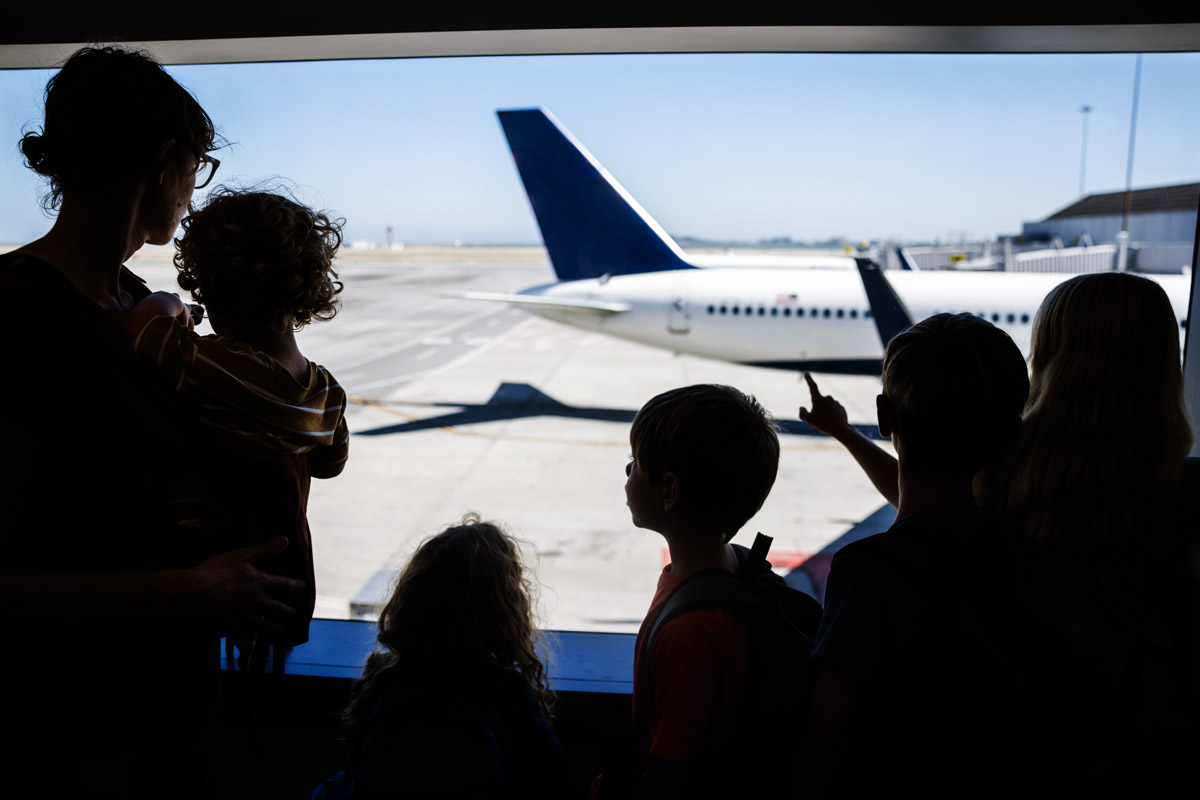

Even facing rising oil prices, budget airlines offer some of the lowest base fares in the country, but the real cost only becomes clear once you add bags, seat selection and other fees that aren’t included in the advertised price.
The landscape has also shifted significantly. Southwest ended its bags-fly-free policy in and Spirit Airlines shut down abruptly in May 2026. Here’s a current breakdown of every major US budget carrier — fees, what’s changed and who each airline is best for.
Make money easier. Sign up for The Penny Hoarder’s newsletter today.
What Are Budget Airlines?
Budget airlines, also called low-cost carriers, keep base fares low by charging separately for extras like checked bags, carry-ons and seat selection. That’s the core model: a stripped-down base ticket, with nearly everything else as an optional add-on.
Within budget airlines, there are two tiers. Low-cost carriers like Southwest and JetBlue include some amenities and keep fees moderate. Ultra-low-cost carriers like Frontier and Allegiant go further; base fares can be extremely cheap, but fees for a carry-on bag or a seat assignment can add $50 to $100 per person each way. The major US budget airlines include Frontier, Allegiant, Southwest, JetBlue, Breeze and Avelo. Until its demise, Spirit Airlines had historically been in this category as well.
Travel credit cards let you earn rewards for your trip, but the best ones can also offer perks like travel insurance.
Best Budget Airlines in the US (2026)

Frontier and Allegiant offer the lowest base fares among US budget airlines; Southwest offers the best value overall for travelers who want fewer hidden fees. That said, the right airline depends heavily on your route, what you’re packing, and how much flexibility you need. Here’s how each carrier stacks up.
Frontier Airlines
Frontier Airlines is an ultra-low-cost carrier based in Denver that typically offers some of the lowest base fares on domestic routes.
- Typical base fares: Among the lowest available on covered routes
- Carry-on bag: $59 booked online; up to $99 at the gate
- Checked bag (first): $55 booked online; up to $99 at the gate
- Seat selection: $17 and up depending on route and timing
- Remote: Yes — nationwide routes
- Best for: Travelers flying with just a personal item on routes where Frontier offers nonstops
Pros
- Very low base fares on many domestic routes
- GoWild Pass available for frequent flyers
- Bundle deals can include bags and seat selection at a discount
Cons
- Carry-on bag fees are among the highest if not booked in advance
- Limited amenities; no free snacks, minimal legroom
- Bag fees booked at the gate can cost up to $99, far more than what a competing airline might charge
Allegiant Air
Allegiant Air specializes in connecting smaller cities to popular vacation destinations. Think mid-sized Midwest towns to Florida beaches or Las Vegas.
- Typical base fares: Low on leisure routes; limited schedule means fewer options
- Carry-on bag: $10–$75 online; $75 at the airport
- Checked bag (first): $15–$70 depending on route and booking timing
- Seat selection: $10–$80
- Best for: Leisure travelers in cities not well-served by major carriers, especially for vacation routes
Southwest Airlines
Southwest Airlines is a low-cost carrier known for its customer-friendly policies, though its most famous perk, free checked bags, ended in May 2025.
- Carry-on bag: Free (one carry-on and one personal item)
- Checked bag (first): $45 online; waived for some elite/card members
- Checked bag (second): $55
- Seat selection: Free (open boarding, no assigned seats, though assigned seating is being phased in)
- Change/cancellation fees: None, full credit for changes or cancellations
- Best for: Travelers who want flexibility, no seat-selection fees, and who book with a Southwest credit card for bag benefits
Pros
- No change or cancellation fees; the best flexibility policy among US budget carriers
- Carry-on bag still free; no seat-selection fee
- Rapid Rewards loyalty program is one of the most generous in the industry
Cons
- Checked bag fees now comparable to other airlines — the "free bags" advantage is gone
- Open seating (no assigned seats) frustrates travelers used to picking their seat in advance
- No transatlantic or international routes outside Mexico/the Caribbean
JetBlue
JetBlue is a mid-tier budget carrier that positions itself above the ultra-low-cost carriers with more legroom, free Wi-Fi, and free snacks on every flight.
JetBlue’s Blue Basic fare is the budget entry point, but it comes with significant restrictions: you’ll board last and can’t make same-day changes. If you’re comparing JetBlue’s Blue Basic to Frontier or Allegiant, factor in the included carry-on allowance.
- Carry-on bag: Personal item only on Blue Basic (a bag that fits under the seat); standard carry-on requires upgrade or fee
- Checked bag (first): Starts at $45 prepaid, higher at airport
- Checked bag (second): $59 prepaid, higher at airport
- Seat selection: $4 and up each way
- Best for: Travelers who want budget pricing with added comfort — more legroom, free Wi-Fi, and snacks on longer flights
Pros
- Free Wi-Fi and free snacks on all flights
- More legroom than other budget carriers in standard economy
- Operates transatlantic routes (London) for international budget travelers
Cons
- Blue Basic boards last and has no same-day change option
- Checked bag fees are comparable to Southwest post-policy-change
- Pricier than Frontier or Allegiant on base fares for most routes
Breeze Airways
Breeze Airways is a newer low-cost carrier launched May 2021 that focuses on underserved routes where flyers previously had few direct-flight options.
Breeze made its name by connecting cities that major carriers largely ignore — think secondary markets where you’d otherwise have to connect through a hub. In early 2026, Breeze expanded into its first international routes to Cancun, Montego Bay, and Punta Cana, which signals confidence in its model. Its headline differentiator is no change or cancellation fees, which is rare in the ultra-budget space.
- Base fares: Starting around $39 one-way
- Carry-on bag: Included only in certain bundles
- Checked bag: Included in certain bundles, $35 and up add-on
- No change or cancellation fees: Yes, a major competitive advantage
- Best for: Travelers in Breeze’s covered cities who want a direct flight to a vacation destination without connecting
Pros
- No change or cancellation fees
- Serves secondary markets with few nonstop options from other carriers
- Comfortable Airbus A220-300 aircraft
Cons
- Limited route network; useful only if Breeze flies where you need to go
- Fewer daily departures than larger carriers
- Newer carrier; less of a track record than established airlines
Avelo Airlines
Avelo Airlines is a small regional carrier serving leisure routes primarily in the South and East, with fares starting around $42 one-way.
Avelo is similar to Breeze in its model: serve routes that the big guys don’t, keep prices low, and focus on vacation travelers. It operates out of secondary airports — including New Haven, Wilmington and Lakeland — which can mean shorter security lines and easier parking. With 30-plus destinations across 12 states, it’s worth checking if you live near one of its bases.
- Base fares: Starting around $29 one-way (including taxes and fees)
- Carry-on bag: $34 and up
- Checked bag: $43 and up
Best for: Leisure travelers living near an Avelo base city who want a direct flight at a low price
Pros
- Operates from secondary airports with less congestion
- Competitive base fares for leisure routes
Cons
- Very limited network, useful only if you live near an Avelo base and it flies your destination
- Fewer amenities than larger carriers
Budget Airline Fees: What You’re Really Paying

Budget airline base fares don’t include carry-on bags, seat selection, or priority boarding — always add these costs before comparing to a major airline fare. The table below shows estimated fees for each carrier. Note that fees change frequently, often depending on when you book and which route you’re flying.
Budget Airline Fees: What You're Really Paying
| Airline | Carry-On Bag | First Checked Bag | Second Checked Bag | Seat Selection |
|---|---|---|---|---|
Frontier |
$59–$99 |
$55–$99 |
$65–$89 |
$17 and up |
Allegiant |
$10–$75 |
$15–$75 |
$15–$75 |
$10 and up |
Southwest |
Free |
$45 |
$55 |
Free (open seating) |
JetBlue (Blue Basic) |
Free |
$45 and up |
$59 and up |
$4 and up each way |
Breeze |
Fees vary by fare |
Fees vary by fare |
Fees vary by fare |
Fees vary by fare |
Avelo |
$34 and up |
$43 and up |
$43 and up |
Fees vary by route |
A few key things to know: Frontier and Allegiant fees spike dramatically at the airport — always buy bags and seats online when you book. Southwest carry-on bags are still free, which helps offset the new checked bag fees. JetBlue’s Blue Basic only includes a personal item (under-seat bag); a standard carry-on requires an upgrade or paid add-on.
Tips for Getting the Best Deal on Budget Airlines
Book directly on the airline’s website, pack only a personal item, and book at least three weeks in advance to get the best budget airline fares. Here are a few more strategies that can make a real difference:
- Book 21–42 days out: Budget airline prices tend to be lowest in this window. Booking too early or too late usually means paying more.
- Pack only a personal item: On Frontier and Allegiant especially, skipping the carry-on bag entirely can save $59–$75 per direction.
- Buy bags and seats at booking: Every budget carrier charges significantly more for bags added at check-in or at the airport gate. Buying at the time of booking is always cheapest.
- Use Google Flights to find budget routes: Search by destination and switch to “month view” to spot the cheapest travel days. Google Flights surfaces Frontier, Allegiant, and Southwest fares alongside the majors.
- Compare the all-in price: Before clicking “book,” add the fees you’ll actually incur (bags, seat). A $79 Frontier fare with a $59 carry-on may be worse than a $120 Southwest fare with a free carry-on.
- Consider bundle deals: Frontier’s bundles include bags and seat selection and can save $50–$100 per direction compared to buying add-ons separately.
Budget Airlines vs. Major Airlines: Is It Worth It?
Budget airlines make sense for short flights with just a personal item — but once you add bags and seat selection, a major airline fare often costs the same or less. That’s not a knock on budget carriers; it’s just the math.
Consider a simple example: A Frontier fare of $79 each way, plus a $59 carry-on bought at booking and $20 seat selection, comes to $158 per direction. A Delta or United fare for the same route might be $149 and include a standard carry-on. The budget option ends up costing more.
When to fly budget:
- Short domestic routes where you can live without assigned seats
- Trips where you can genuinely pack everything into a personal item
- Flexible itineraries where no-change-fee carriers like Southwest and Breeze have value
- Routes where the budget carrier is the only nonstop option like Allegiant, Avelo and Breeze
When to fly a major airline:
- Longer routes where legroom and amenities matter more
- Trips requiring checked baggage: Major airlines’ fees are now competitive with budget carriers
- Trips with tight connections: Major airlines have more rebooking options if you miss a connection
- When the all-in price difference is under $30 per person
Final Verdict

For most budget-conscious travelers, the best strategy isn’t picking a single airline. It’s understanding each carrier’s strengths and matching them to your specific trip. Frontier and Allegiant win on base price when you’re traveling light. Southwest now charges for checked bags but still leads on flexibility and carry-on policies. JetBlue offers the best experience if you’re willing to pay a bit more per ticket.
Our best advice: Always calculate the all-in fare — base plus bags plus seat — before assuming the cheapest-looking ticket is the best deal. With Southwest no longer offering free checked bags and Spirit’s untimely exit from the industry, 2026 is a year to check pricing carefully every time.
Budget Airlines FAQ
Frontier and Allegiant typically offer the lowest base fares among US airlines, often starting under $50 for domestic routes. However, after adding carry-on and checked bag fees, the total cost can be comparable to other carriers. Use Google Flights to compare all-in prices before booking.
Spirit Airlines filed for Chapter 11 bankruptcy for a second time in August 2025. CNBC reported in April 2026 that the Trump administration was in talks with Spirit to provide a rescue package. The deal fell through and Spirit closed down in early May.
Yes. All commercial airlines operating in the US, including budget carriers, must meet FAA safety standards. Budget airlines are regulated by the same federal agency as major carriers. Safety records are publicly available through the FAA and NTSB. Budget pricing reflects stripped-down service, not lower safety standards.
Most ultra-low-cost carriers like Frontier and Allegiant do charge for carry-on bags that go in the overhead bin. Fees typically range from $59 to $75 depending on when you purchase. Southwest still allows one free carry-on for all passengers. JetBlue’s Blue Basic includes only a personal item but a standard carry-on requires an additional fee or fare upgrade.
Low-cost carriers like Southwest and JetBlue keep prices below the major airlines but include some amenities like free carry-ons, snacks or Wi-Fi. Ultra-low-cost carriers like Frontier and Allegiant price everything à la carte: The base fare is extremely low, but virtually every add-on costs extra. ULCCs are cheapest for travelers who pack light. For anyone with bags, the fees can eliminate the savings.
Southwest is still competitive, especially for flexible travelers and those who don’t check bags. Its carry-on bag is still free, it charges no seat-selection fee, and its change/cancellation policy is the most generous in the industry. But if you need to check a bag, Southwest’s new fees ($45 for the first bag, $55 for the second) are now in line with other carriers — so the free-bag advantage is gone. Southwest credit cardholders and elite members may still get free checked bags, so check your status before comparing prices.