Summer Home Maintenance Checklist: Tasks to Save You Time and Money


With interest rates still high, you may be considering staying put rather than taking on a higher interest mortgage to buy a new place. So why not spruce up your current abode instead?
Home maintenance can feel overwhelming, especially if you didn’t initially include it in your budget when you bought your house — most experts recommend saving around 1% of home value per year. While it’s true there is almost always something to do around a house, there are several tasks you should be checking off your list this summer. Enter: Our home maintenance checklist. This simple, straightforward list will help you know what you should tackle first and how to avoid common costly mistakes new homeowners make in the summer.
Save More Money Beyond This Home Maintenance Checklist
Keeping up on your home maintenance can save you money. While you’re working through this checklist for summer, you may want to know other ways you can save. Check out some of our favorite ways to save money below.
| Offer | Why We Like It | What You Need to Do | Start Saving |
|---|---|---|---|
| The Penny Hoarder Auto Insurance Tool | Save ~$500 per year | Provide some basic information | |
| AmOne | Save on interest payments with a personal loan | Answer a 10 quick qualifying questions | |
| Balance Transfer Credit Cards* | Cancel Your Interest Payments Until 2027 | Apply for a 0% Interest Credit Card | |
| Upside | Save $40/month on Gas | Download this free app |
Why a Home Maintenance Checklist Can Save You Money
Regular home maintenance can protect your financial investment in your home. Most notably, home maintenance can be a way to prevent large, costly repairs by catching minor problems before they develop into disasters. Preventive maintenance can also increase the lifespan of your appliances, which saves you money in the long run.
Keeping your appliances and systems running smoothly can also increase the energy efficiency of your home. This not only helps protect the planet, but it also passes on savings to you with lower energy and water bills each month.
If you’re interested in larger gains, home maintenance can also increase the overall value of your property. Keeping your home running smoothly and looking beautiful will help your home be more attractive to buyers and you won’t need to invest in a bunch of last minute fixes come moving time.
Finally, one home maintenance benefit people often overlook is that it can protect you from liability lawsuits. Whether it’s removing low tree branches or stabilizing a weak deck joist, keeping your house in shape means a safer home for you, your family and your guests.
Summer Home Maintenance Checklist: Must-Do Tasks
There are many different ways to help prepare your home this summer, but here are the four essential tasks for your home maintenance checklist.
HVAC Systems
A good place to start summer upkeep is with your HVAC system. HVAC systems are one of the most expensive parts of our homes and regular maintenance can prevent a costly repair down the road. First on your list should be replacing your HVAC filter. This filter should be replaced based on your HVAC system’s specifications, but a good rule of thumb is every two or three months.
Next, schedule a check up with an HVAC professional. During a seasonal check up, your HVAC technician should physically inspect your HVAC unit, evaluate the accuracy of your thermostat and check your refrigerant levels. All this information can help the technician understand the overall health of the machine and recommend any needed fixes. This seasonal service often runs around $100 and can extend the life of your unit and keep you from a surprise air conditioning failure in the middle of a July heat wave.
Landscape
Summer is growing season. To prepare, start by checking out your sprinkler system. Freezes can wreak havoc on sprinkler systems if they weren’t winterized properly. Now is a good time to notice any problems and fix them.
Summer is also a good time to trim any trees or bushes, get weeds under control and remove and/or replace dead or unhealthy plants. It’s also a great time to up your curb appeal. Consider adding some pops of color to your landscaping.
Inspect, Inspect, Inspect
Finally, a good rule of thumb at the season change is to inspect your house inside and out. Take time to walk around your property and look in, around, under and on top of everything. Look for signs of bug infestations (wings are usually a sign of termites).
A quick run through can often be the difference between, “oh dang, how long has this leak been here?” and “Good thing we found that leak.”
Outdoor Maintenance Tasks to Prep Your Property
Now that you understand the basics, here’s a more in-depth list of how to prepare your outdoors this summer.
- Clean gutters and inspect the roof for damage. Cleaning your gutters will help protect your home from water damage. While cleaning, check gutters for any signs of shingle granules, as this is normally one of the first signs of wear on your roof. Inspect your roof for missing shingles or any visible sagging. You might need to call a professional if you notice any problems from the ground.
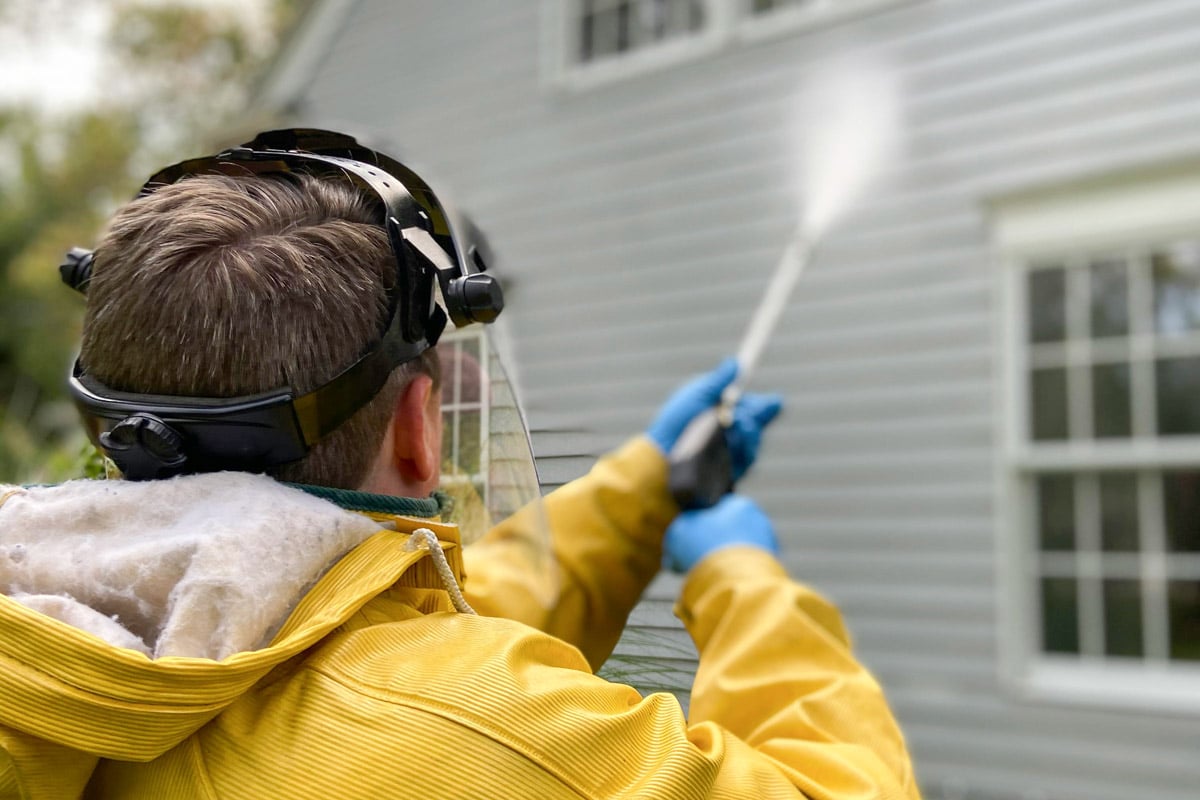
- Power wash siding and brick and paint any exposed wood. Power washing can protect your siding from mildew or mold, but it’s important to understand your siding before you begin. For example, if you have vinyl siding, you’ll want to use a soft power wash to avoid damaging it. If you feel nervous, you can hire a professional to help you understand your home’s needs.
- Inspect deck and porch for any wear. Check the deck for decay, wood rot, insect damage, and loose or weak joists. You’ll want to repair any damage you see to ensure the integrity of the deck. Similarly, look for small cracks in a cement porch or deck. Water can seep into a small crack if not repaired promptly and cause major structural damage.
- Check the sprinkler system for leaks and lawn coverage. First, check your sprinkler system’s valve box to make sure it’s dry. Next, check sprinkler heads for leaks and make sure they’re facing the right direction and covering the proper section of lawn. You’ll also want to reset your water schedule. Before you do this, check any local laws on when you can water.
- Clean your exterior dryer vent. Summer is a great time to clear out your dryer vent. When you remove bult-up link, your dryer will work more efficiently, a huge plus in the summer as electric costs balloon amid high AC usage.
- Invest in pest control. There are lots of ways to prevent pests, whether you care about finding something organic, safe for pets, do-it-yourself or hire it out. The critical step is that you get started before the pests become a big problem. Depending on where you live, this means beginning pest control before warm weather begins in earnest.
- Trim trees and bushes. Trimming a plant before it flowers helps encourage growth and strengthens the plant for summer’s heat. Trimming dead branches now can also protect you from damage from summer storms.
Indoor Maintenance Tasks Refresh Your Space
While the outdoors have more obvious needs in the summer, your indoor space still has plenty of areas to maintain to keep your home running like clockwork.
- Care for your HVAC System. Replace your HVAC filter. You should already be doing this every two or three months, but summer is a good time to start fresh. Also, call and schedule a HVAC check-up with a professional.
- Check for leaks. Walk around your home (especially near pipes or appliances) and check for any leaks. Look for anything damp or any mold growth as these can be signs of water damage. If you find a leak, call a plumber to help fix the situation.
- Inspect windows, doors, and screens for leaks or drafts. Check the caulking or weather stripping on your windows and replace as needed. Good caulking or stripping can reduce your AC bill and prevent water damage to your home.
- Vacuum lint from dryer. Use your vacuum or shop vac to clean the dryer vent hose and opening (or hire a professional). Cleaning this vent can prevent a fire and reduce the time it takes your dryer to get clothes dry.
- Inspect seals, caulk and grout. Look for holes in your seals or caulk that might allow water to seep where it shouldn’t be and cause damage. You can also apply grout sealer that helps protect your grout from moisture.
- Check fire alarms and CO2 detectors. Make sure your fire alarms and CO2 detectors have batteries and are functioning properly.
- Change your ceiling fan blade direction to counterclockwise. This way, the fans will create a downdraft to help cool the air in your home.
Budget-friendly DIY Tips and Tools to Use
Most things on our lists are doable DIYs for even the most novice homeowner and, if done right, can save you a lot of money over the years. For example, a simple caulking task will often run you $250-$400 according to HomeAdvisor, but the materials to do it yourself only cost $30-$40. The key is taking the time to do them right. A bad DIY job is often more expensive in the long run than hiring a professional, so here are our tips to help you be successful.
Start Small
Don’t tackle a deck installation on your first day. Instead, start small with caulking a toilet or trimming a small tree. Each small task from your home maintenance checklist that you complete is one you don’t have to pay someone else to do.
Get the Right Tools
There are a lot of tools you could buy at the hardware stores, but here are a few basics to get started:
- Hammer
- Multibit screwdriver
- Ladder
- Paint brushes
- Pruning shears
- Caulk gun
- Cordless drill
- Pliers
If you need more specific tools to complete a project, check if you can rent them from a local hardware store. A walk-behind aerator machine costs $4,000 or $5,000 to purchase, but you can rent one at Home Depot for around $100 a day — and maybe even split the cost among your neighbors.
Do Your Research
Understand what you know and what you don’t know, and figure out how to learn. From step-by-step instruction manuals to video tutorials, there are many ways to acquire the confidence to DIY your way through almost any home maintenance project.
Learn from Your Mistakes and Ask for Help
If home maintenance is something new, you’re going to make mistakes. Remember to ease your way in to minimize the impact of those mistakes, but also take a moment to learn from them and improve. You can also often get advice from experts, whether it be from classes at your local hardware store, YouTube or your neighbor. Some cities even provide free consultations on work that requires a permit. So if your project is bigger, you might check out your local city services for help.
Know Your Limits
This is probably the most important tip: know when to stop. The difference between successful DIY and a very expensive bill from a contractor is often understanding where your limits are. We’ll talk more about this in the next section, but make sure to understand where your skills and safety are limited.
When to Call in the Pros (and How to Save)
We love a good DIY, but several home improvement projects are best left up to the professionals. We suggest finding a professional if you have to do anything that might need specific expertise or safety equipment. This might include electrical problems, interior plumbing leaks, roof repairs, HVAC repairs or major structural repairs. If you do need to hire a professional, you can help lower the costs by doing a little research and comparing prices.
You’ll also want to consider where you’ll get the materials for your project. Some professionals will want to source materials themselves as many can get materials at a discount. However, some will then sell those same materials to you with a significant upcharge, so it might be cheaper to purchase your own.
Home maintenance is more than just a chore, it’s a chance to refresh and reset your home each summer. By following our home maintenance checklist, you’ll be able to protect your home’s value and prepare for the summer months.
Contributor Whitney Hansen covers banking, credit cards and investing for The Penny Hoarder.