20 Cheap Front Yard Landscaping Ideas (With Real Cost Estimates)

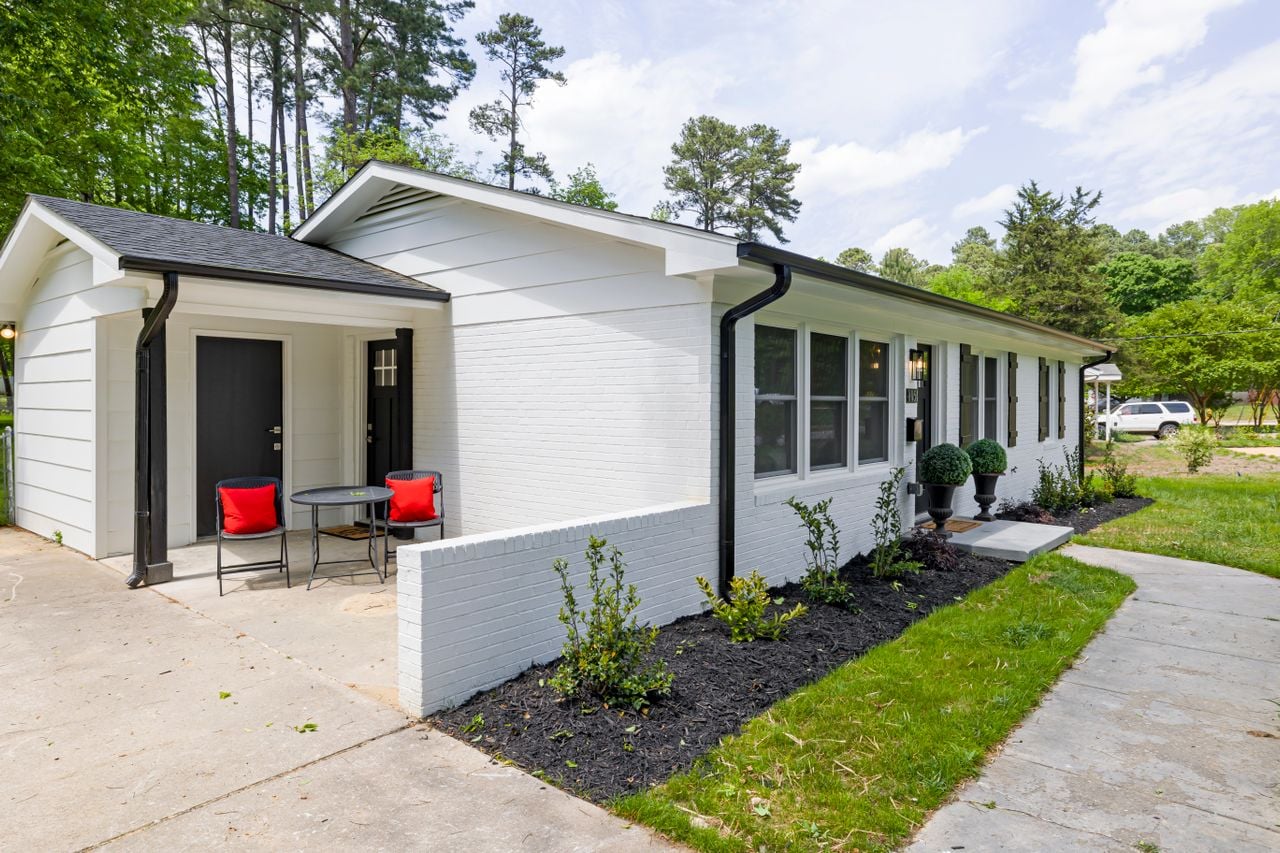

A tidy, intentionally planned front yard does wonders for your curb appeal. It’s the first thing visitors notice, the first thing an appraiser notes and one of the few budget weekend projects that produces immediately visible results.
The catch with most front-yard landscaping advice is that it leaves out the price tag. Pinterest boards and lifestyle blogs love to show before-and-after photos, but rarely tell you that the after cost $4,000 in plants and a weekend of pro labor. That’s not exactly useful if your budget is $200 and you’ve only got a few hours of free time over the weekend.
This guide is the opposite. Every one of the 20 ideas below comes with a real cost estimate — the actual range you would spend on materials at a typical big-box store or landscape supply yard. They are grouped by budget level, starting at zero dollars and capping at about $300, so you can pick the projects that fit what you can spend right now.
Whether you have $0, $50 or $300 to put toward the front of your house this season, we’ve got budget landscape solutions for you.
Cheap Front Yard Landscaping at a Glance
Here is the fast version. Prices are estimates and depend on local materials costs and yard size.
| Budget Level | What You Can Do | Estimated Cost |
|---|---|---|
| $0 | Edge existing beds, divide plants, remove overgrowth, pressure wash | Free |
| Under $50 | Mulch beds, add solar path lights, paint the front door | $20–$50 |
| $50–$100 | Container garden by the front door, simple stone borders, window boxes | $50–$100 |
| $100–$200 | Native plant border, foundation bed, DIY flagstone path | $100–$200 |
| $200–$300 | Multiple project combination, larger rock garden, fence-line grasses | $200–$300 |
These projects are the perfect candidates for a home improvement sinking fund. You can set aside $25–$50 a month, which builds up enough cash for a real spring project without disrupting the rest of your budget.
Zero or Near-Zero Cost (Tips 1–5)
The cheapest landscaping improvements cost nothing but time. These five tips are the ones most homeowners skip — not because they are difficult, but because they feel too obvious. They are also the highest return-on-effort moves on the list.
1. Edge Your Existing Beds
A clean, defined edge is what makes any landscaping look intentional rather than overgrown. Use a flat shovel to cut a 3- to 4-inch trench between your beds and the lawn, angling the blade slightly inward. The contrast between a fresh edge and the surrounding grass instantly makes the yard look maintained.
Cost: $0 if you already own a flat shovel; $15–$25 for a dedicated edging tool that makes the job faster
2. Mulch Existing Beds
Fresh mulch is the single highest-ROI front-yard improvement. It covers weeds, retains moisture, regulates soil temperature and instantly makes any bed look freshly done. Buy in bulk by the yard if you can — bulk mulch costs roughly half what bagged mulch does.
Cost: $25–$50 for bulk mulch, which covers about 100 square feet at 3 inches deep. Bagged mulch runs $4–$6 per 2 cubic foot bag.
3. Remove Overgrown Shrubs
A dated, overgrown shrub right in front of the windows is one of the most common curb-appeal problems. Removing it opens up the front of the house, lets in more light, and instantly modernizes the look without buying a single new plant.
Cost: $0. This is labor only. Use a shovel and loppers; for stubborn root balls, a pickaxe and time. If the shrub is large, consider asking a neighbor to help in exchange for the firewood (or a cold beverage).
4. Divide Existing Plants
Hostas, ornamental grasses, daylilies and many perennials get bigger every year and benefit from being divided every three to five seasons. Dig up an established clump, split it with a shovel and replant the divisions to fill bare spots elsewhere in the yard.
Cost: $0. If you do not have anything to divide, ask neighbors with overgrown beds — most gardeners are happy to give away divisions because it saves them the work of digging them out.
5. Pressure Wash the Hardscaping
Years of grime on the driveway, walkway and front of the house come off in an afternoon with a pressure washer. The transformation can be dramatic — gray, dingy concrete returns to its original light tone and siding looks several shades brighter.
Cost: $0 if you borrow from a neighbor or family member; $40–$80 for a one-day rental from a home improvement store. Buying a basic electric pressure washer runs $130–$200 and pays back quickly if you use it once a year.
Under $100 Projects (Tips 6–12)
This is the sweet spot for impact-per-dollar on a tight budget. Each project below can be done in a half-day or less and falls in the $20–$100 range for materials.
6. Add a Simple Stone Border
Landscape edging stones from a home improvement store define beds cleanly and stop mulch from washing onto the lawn. No professional install needed — most edging stones are designed to interlock or stack without mortar.
Cost: $30–$60 for enough stones to edge a foundation bed. Budget more for larger beds.
7. Plant a Container Garden by the Front Door
Two large matching pots flanking the front door create an instantly more welcoming entrance. Plant with seasonal flowers, ornamental grasses, or evergreens; the pots can stay year-round and the plantings change with the seasons.
Cost: $40–$80 for the pots, soil and starter plants. Look for end-of-season pot clearance at big-box stores in late fall.
8. Install Solar Path Lights
Solar stake lights along a walkway are the easiest lighting project on the list — no wiring, no electrician, no permits. A set of 8 to 10 lights warms up the front yard at night and adds curb appeal even in daylight.
Cost: $20–$50 for a set of 8–10 solar stake lights. Pay slightly more for warm-white LED color; the cool-white versions can look harsh.
9. Add Window Boxes
A flat front facade often just needs a little texture, and window boxes are an inexpensive way to add it. Simple plastic or composite boxes hold up well outdoors and are much cheaper than wood or wrought iron.
Cost: $30–$70 for a pair of boxes, plus $20–$30 for soil and starter plants. Annuals like petunias and trailing ivy work well.
10. Reseed Bare Lawn Patches
Patchy grass is one of the most visible curb-appeal problems and one of the cheapest to fix. Loosen the bare soil, scatter seed, cover lightly with topsoil or peat and water consistently. Overseeding in fall works best in most climates.
Cost: $15–$40 for a bag of grass seed and soil amendment, enough for several patches in a typical yard.
11. Paint the Front Door
A bold front door color is one of the highest-impact changes for curb appeal per dollar spent. Navy, black, deep red or forest green all photograph well and complement most siding colors.
Cost: $25–$40 for a quart of exterior paint and a roller. One quart is usually enough for a single front door with two coats.
12. Add River Rock to a High-Traffic Corner
Areas that kill grass repeatedly — corners, around AC units, drip lines under gutters — look intentional with river rock instead of bare dirt. Lay landscape fabric underneath to keep weeds down.
Cost: $40–$80 for enough rock to cover a 20–30 square foot trouble area, plus a few dollars for landscape fabric.
$100–$300 Projects (Tips 13–17)

These projects take a full Saturday or a weekend and have a meaningful visual impact. All are still well within DIY range for a homeowner with basic tools.
13. Install a Native Plant Border
Native plants require less water, no fertilizer and minimal maintenance after the first growing season. They also attract pollinators and tend to look better than imported ornamentals in a residential yard because they evolved for your climate.
Cost: $80–$200 for 6–12 native perennials sized to fill a 10- to 15-foot border. Check your state’s native plant society — many host plant sales at well below retail.
14. Build a Simple DIY Rock Garden
A rock garden works especially well in dry climates, on slopes and in shady or compacted spots where grass struggles. Mix rocks of three different sizes for visual interest and plant drought-tolerant perennials like sedums, hens-and-chicks or ornamental grasses between them.
Cost: $100–$200 for rocks, soil amendment and a starter set of plants. Often the rocks are the largest line item — check local landscape supply yards rather than buying bagged at retail.
15. Add a Small Garden Bed Along the Front Foundation
A foundation bed visually anchors the house to the ground and breaks up the harsh line where siding meets soil or grass. Even a narrow 18-inch-deep bed with three or four plants makes a noticeable difference.
Cost: $100–$250 for soil amendments, edging, mulch and starter plants. Choose plants appropriate to the sun exposure on that side of the house.
16. Install a Simple Flagstone Path
A DIY flagstone path from the driveway or sidewalk to the front door makes the house feel intentional rather than utilitarian. Step-stone style — flagstones set with grass or gravel between them — is the easiest install.
Cost: $120–$200 for flagstones from a local landscape supply yard, plus a bag or two of paver base. Pros charge $400–$800 for the same project.
17. Plant Ornamental Grasses Along a Fence or Property Line
Ornamental grasses grow fast, require minimal care and provide year-round visual interest including winter texture. They are also one of the cheaper ways to fill a long fence line.
Cost: $60–$150 for 5–8 plants. Choose varieties appropriate to your zone — most ornamental grasses prefer full sun.
Smart Spending Tips (Tips 18–20)
These last three are not specific projects — they are habits that make every dollar in your landscaping budget go further. Apply them to the project ideas above and you can often shave 20–40% off the cost.
18. Buy Perennials, Not Annuals
Perennials cost slightly more upfront but come back every spring. Annuals cost the same or sometimes more and have to be replanted every year. Over three or four growing seasons, a perennial bed costs a fraction of what an annual bed costs. The same principle shows up in our wider home improvement budget advice: Pay a little more upfront for something that lasts.
19. Shop End-of-Season Sales
Most nurseries reduce plant prices 30–50% in late summer through early fall. The plants are not damaged; they’ve just outgrown nursery containers and the staff would rather move them than overwinter them. Perennials planted in fall typically establish stronger roots over winter and look identical to spring-planted plants by next summer.
20. Use Free Resources
Facebook Marketplace, Nextdoor and local gardening groups frequently have free plant offers from neighbors dividing overgrown beds. Many municipalities give away free mulch and compost from yard waste collection. Tree services often deliver free wood chip mulch by the truckload (with a few days’ notice) because it costs them to dispose of otherwise.
Frequently Asked Questions
The cheapest meaningful improvements are edging your existing beds, refreshing mulch, removing dated overgrown shrubs and pressure-washing the driveway and front walk. These four moves cost under $50 total in most yards and produce visible results in a single weekend.
After those, the highest-impact under-$100 projects are painting the front door, adding a pair of planted containers by the door and installing solar path lights along the walkway. Results vary by yard size and existing condition.
Mulch is the cheapest landscaping material by impact-per-dollar — about $25–$50 per yard in bulk, which covers around 100 square feet. River rock and gravel are slightly more expensive but last longer because they do not break down.
For plants, the cheapest options are divisions from neighbors (free), perennial starts from end-of-season sales ($2–$8 each) and grass seed for filling bare lawn patches ($15–$40 for a typical bag).
Under $500 is enough for a meaningful front-yard refresh. A typical allocation looks like this: $50 for mulch, $50 for a pair of planted containers by the front door, $40 for solar path lights, $30 for a quart of front-door paint, $150 for a native plant border and $100–$200 set aside for a small foundation bed or DIY flagstone path.
That budget covers materials for five to seven projects from the list above. Save more by waiting for end-of-season plant sales and buying mulch in bulk rather than bags.
The cheapest plants are perennials divided from existing beds (free, if you have them or know someone who does), native plants from state native plant society sales ($3–$10 each) and end-of-season clearance perennials from big-box garden centers ($2–$8 each, marked down from $10–$20).
Avoid premium specimen plants and large container shrubs if budget is the priority — small starter plants establish quickly and grow to mature size within two to three seasons at a fraction of the cost.
The lowest-maintenance approach is a combination of native perennials, ornamental grasses and mulched beds. Native plants do not need fertilizer or supplemental watering after the first season. Ornamental grasses get cut back once a year. Mulched beds suppress most weeds.
Avoid high-maintenance choices: large turfgrass lawns, annual flower beds that need replanting every year and ornamental shrubs that require regular shaping. The goal of low-maintenance landscaping is to design for the second and third year, not just the first.
Final Verdict
Cheap front yard landscaping is mostly about doing the obvious things first — edging, mulching, pressure washing, painting the door, etc. — and saving the bigger plant projects for when your budget allows. The five no-cost tips alone are enough to dramatically improve curb appeal in most yards.
Pick one budget tier, pick two or three ideas in that tier, and commit a weekend. Then come back to the list next month or next season. Building a front yard one small project at a time is cheaper and more flexible than doing it all at once, and the results compound year over year.
Done in pieces, a $500 budget can transform a front yard. Done patiently, even less can.