Personal Loans for Bad Credit: How to Qualify and Compare Your Options



Got less-than-stellar credit but need a loan? It’s true that a low credit score narrows your loan options, but it doesn’t mean you’re not eligible for loans at all. There are lenders that offer personal loans for bad credit.
In our guide, we’ll not only tell you how to find legitimate loans for bad credit, but also walk you through the process — from prequalifying to comparing your options to selecting a loan that’s right for you. You’ll also learn how to improve your approval odds and identify red flags on the way.
What Is a Bad Credit Personal Loan?
There are many types of loans for bad credit, but they are all aimed at borrowers with low credit scores and repaid in fixed monthly payments. Most are unsecured —- meaning they don’t require collateral — but some lenders offer secured loans for those with bad credit, like auto loans and home equity loans.
Some examples of unsecured loans include debt consolidation loans, credit builder loans and payday loans.
But what exactly does bad credit mean? Here’s a look at the credit score scale.
Credit Score Ranges
| Rating | Credit Score Range |
|---|---|
Poor |
300-579 |
Fair |
580-669 |
Good |
670-739 |
Very Good |
740-799 |
Exceptional |
800-850 |
What Credit Score Do You Need?
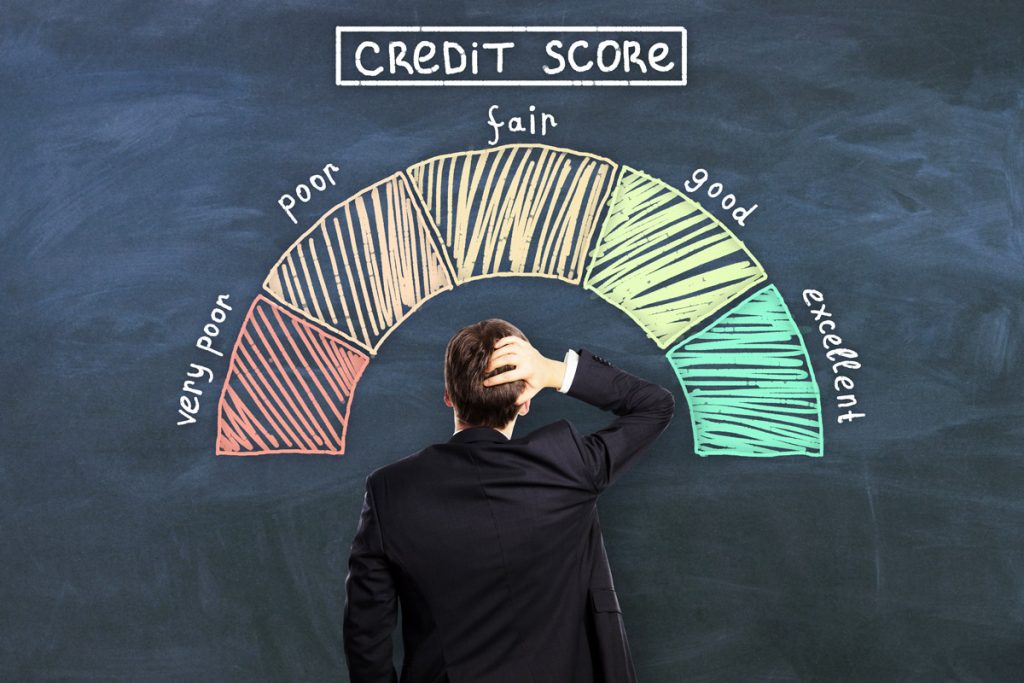
That depends. Some lenders list minimum credit score qualifications and others don’t. But they all weigh income and other factors, like your debt-to-income ratio and on-time rent or utility payments, for an approval decision.
The trade-off with these loans is that they typically come with a higher APR. To see your options, you can always prequalify, which triggers a soft credit pull and lets you see your odds without a credit hit.
How to Get a Personal Loan With Bad Credit
Getting a personal loan with bad credit is the same process for those who have good credit. Here’s a look at the process.
- Consider your options. Ask whether a personal is the best way to cover your costs. Maybe you could avoid the debt and instead delay the purchase or negotiate an expense you’re facing.
- Review your finances. When you review loan offers, you’ll want to know what you can comfortably pay each month for a few years.
- Check your credit score and correct any errors. Applying for a loan dings your credit report, so you don’t want to apply for loans you aren’t confident you’ll qualify for. Check your score first, correct any errors, then find lenders that match your situation. There are also no-credit-check personal loans.
- Compare lenders. Check reviews like this to compare loan offers side by side. This lets you see lender options and requirements to find the ones that align with your needs. Marketplaces like Pennie are a good place to start.
- Get pre-qualified. This is how you find out whether you’re likely to get accepted by a specific lender based on your specific financial information. Give a little information to go through a soft credit check that won’t affect your score, and see pre-qualified offers. Then you can decide whether it’s worth applying in full.
How to Compare Bad Credit Loans
When you’re looking at any loan, you’ll need to weigh a few factors.
- APR: The annual percentage rate is the total annual cost of borrowing money. This includes the interest rate and any other fees charged.
- Origination and other fees: Some lenders have origination, monthly or other fees.
- Loan amount and term: How much are you borrowing and for how long?
- Funding speed: How fast do you need the money? And how fast will you get it? If you need it quickly, there are emergency personal loans.
- Whether or not the lender reports to bureaus: Lenders aren’t required to report to credit bureaus, but those that do can help you build your credit.
- Soft-pull prequalification: When you compare lending options on marketplaces like Pennie, your credit file will get a soft-pull, which will allow you to see your odds with lenders without a credit hit.
Where to Get a Bad Credit Personal Loan
There are multiple places you can go for personal loans if you have bad credit.
Online lenders and prequalification marketplaces like Pennie are the fastest way to compare. You enter some basic information about yourself, they do a soft credit check, and you’ve got lots of options at your fingertips. Funding can typically be secured in as little as one day.
Credit unions are typically more flexible because they are member-owned nonprofits. To get funding from a credit union, though, you’ll likely need to be a member. Credit unions also offer payday alternative loans (PALs), which are short-term, small dollar loans that are safer and more affordable than payday loans. They also typically offer credit-builder loans. With these, the lender will typically put the amount of your loan into a certificate of deposit (CD) account for one year. Each month, you pay a portion of the loan amount plus an interest fee. When the loan is paid off at the end of the year, you can unlock your CD and take out the cash, along with the interest that accrued.
Some lenders, including credit unions, also offer secured loans, which are backed by collateral. Here’s the difference between secured and unsecured loans.
How to Improve Your Approval Odds and Build Credit
If you get denied for a loan, it’s not the end of your lending journey. There are ways to improve your approval odds and build your credit.
Here a look at your options:
- Correct any credit report errors. A credit reporting agency must investigate the dispute within 30 days.
- Improve your credit score. To build a good credit score, pay bills on time, keep credit card balances low and avoid opening new credit accounts for a while.
- Build your credit. If you’re new to credit, consider applying for a secured credit card or becoming an authorized user on someone else’s credit card. Responsible use will help establish a positive credit history.
- Consider a creditworthy cosigner. Having someone with better credit vouch for you as a cosigner or joint applicant can bolster your chances.
- Increase your income. Making more money could increase your chances.
- Improve your debt-to-income ratio. If your monthly debt payments gobble up a big chunk of your income, lenders may doubt your ability to handle additional debt responsibly.
- Borrow less money. Your chances of getting approved may improve with a smaller loan.
- Consider a secured loan or borrowing from a credit union. Secured loans require collateral while credit unions are typically more flexible with lending terms.
Alternatives If You Don’t Qualify
If a personal loan isn’t available to you, you still have options.
A credit union PAL, secured or credit-builder loan may be better options for your situation. You could also try to up your odds by adding a cosigner or borrowing less.
Payday loans are an option, but come with serious risks. They are one of the most expensive sources of consumer credit. Payday loans are high-interest small-dollar personal loans that come due within two to four weeks, usually corresponding with your next pay day.
But if debt is the problem, nonprofit credit counseling or debt relief may be the way to go.
How to Avoid Predatory Bad Credit Lenders
As with any product, it’s important to be aware of red flags when considering lenders. Reputable lenders check your credit, disclose the full APR and fees and never guarantee approval. Here are some red flags to look out for:
- A lender that says approval is guaranteed or no credit check is required.
- Pressure tactics including harassing phone calls and solicitations.
- Exorbitant up-front fees before funding.
- Triple-digit APRs. (These are common with payday loans.)
- Harassing phone calls
- Payday loans dressed up as personal loans.
Frequently Asked Questions
It varies by lender. Many mainstream lenders look for fair-to-good credit, but a number of lenders specialize in borrowers with poor scores, setting low minimums or weighing income and other factors instead of leaning entirely on your score. The trade-off is that a lower score usually means a higher interest rate. The best way to gauge your odds is to prequalify with a soft credit check, which lets you see potential rates without affecting your score.
It’s possible, but your options will be limited and the cost higher. Some lenders work with deep subprime borrowers, and you can improve your chances by adding a creditworthy co-applicant, offering collateral for a secured loan, or borrowing a smaller amount. Be especially careful at this credit level — it’s where predatory ‘guaranteed approval’ and ‘no credit check’ offers cluster, so stick with lenders that disclose the full APR and fees and check your credit.
Applying triggers a hard inquiry, which can cause a small, temporary dip, and taking on the loan adds to what you owe. But over time, a bad-credit personal loan can actually help your credit if the lender reports to the bureaus and you make on-time payments — payment history is the biggest factor in your score. Checking your rate first with a soft-pull prequalification won’t affect your score at all.
A bad-credit loan is for people with a low credit score, but the lender still checks your credit — usually with a soft pull when you prequalify and a hard pull if you proceed. A no-credit-check loan skips the credit inquiry entirely, which sounds appealing but often signals a payday or title lender with extremely high costs. If you have poor credit, a legitimate bad-credit loan is almost always the safer, cheaper route. See our separate guide on no-credit-check loans for more.
Katie Sartoris is a Certified Educator in Personal Finance and an award-winning journalist with a decade of reporting and editing experience in the industry. She joined the Penny Hoarder from Gannett, where she was a local news editor in Central Florida. Katie lives in Leesburg with her husband and cats, and is working on restoring and updating her original mid-century home.