15 Ways to Save on Fresh Produce
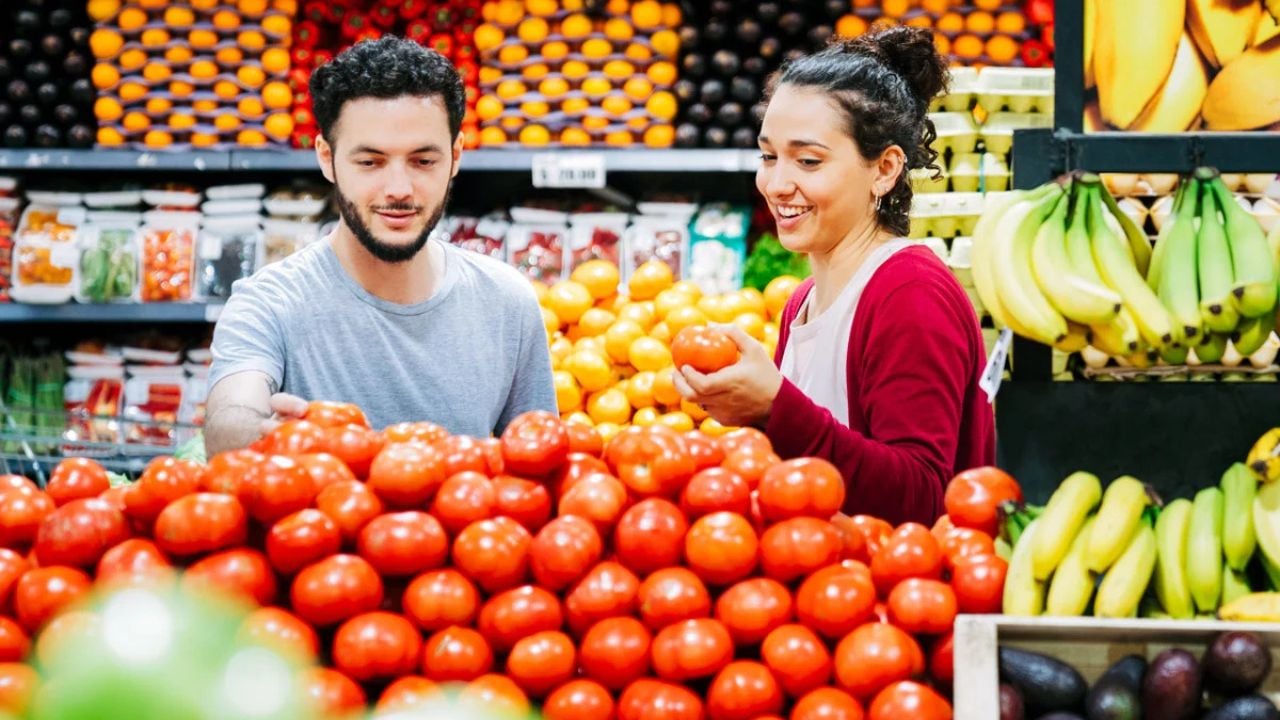

If you’re looking for a way to trim the fat from your budget, it’s time to take a closer look at your grocery spending — especially your fresh produce.
While health experts tout the importance of eating plenty of fruits and vegetables, all that fresh produce is likely eating into your budget. Inflation for fruits and vegetables sits at 3.2% year over year in August 2026, according to the Bureau of Labor Statistics Consumer Price Index.
And while we have plenty of ways to save money on groceries, today we’re singling out the fruits and veggies.
Save more money. Sign up for The Penny Hoarder’s newsletter today.
Need Extra Money for Groceries?
Check out some of our favorite ways to make easy money. Let them put a little extra money in your pocket to help pay for groceries and more.
| Offer | What You Can Earn | What You Have To Do | Take Action |
|---|---|---|---|
| Get a SoFi® Checking & Savings account | Up to $400 when you set up direct deposit | Set up direct deposit, despoit $5,000 in a 31-day period | |
| Get a cash back credit card | Up to 5% cash back | Get a cash back credit card | |
| Get a Chime Checking Account | Up to $350 when you set up direct deposit | Set up direct deposit and earn $50/month in cash back | |
| Insurify | Save up to $1,025 per year | Cancel your car insurance | |
| Upside | Earn $290 per year on gas, groceries and dining | Download the Upside app, start earning cash back on gas, groceries and dining | |
| Freecash | Earn up to $1,000 per month | Simple online tasks |
How Much Money Should You Spend on Fresh Produce?
The USDA says Americans should consume three servings of vegetables and two servings of fruit every day. That’s easier said than done when you’re living on a tight budget. In fact, 65% of US adults say the cost of essential living expenses is their biggest source of financial anxiety, according to The Penny Hoarder’s 2026 Financial Anxiety Barometer Report.
We’ve rounded up a bunch of strategies for how to save money on produce — from the best places to find cheap fruits and vegetables to how to extend their lifespan once they’re in your kitchen.
Here’s to getting all your daily servings of fruit and veggies without blowing the budget.
15 Ways to Save Money on Produce
- Shop at the farmers market
- Join a CSA (Community Supported Agriculture)
- Buy from ethnic grocers
- Shop at discount grocery stores
- Use Free Apps to Save More
- Buy produce at bulk warehouses
- Start a backyard or community garden
- Choose local produce in season
- Pick ripe produce
- Embrace “ugly” produce
- Buy frozen produce
- Store fruits and vegetables properly
- Eat the parts others toss
- Find recipes for overripe fresh produce
- Preserve extra fruits and veggies
1. Shop at the Farmers Market
The first step to saving money on produce is all about where you shop. Spare yourself the built-in costs of grocery store overhead by going directly to local growers.
Check out farmers markets in your area for fresh fruits and vegetables from a variety of vendors.
2. Join a CSA (Community Supported Agriculture)
If you’re OK with receiving a random selection of produce, join a Community Supported Agriculture program. CSA members enjoy shares of what’s harvested from a specific local farm.
You’ll generally pay for the entire season upfront and pick up your share on a weekly or biweekly basis. Local Harvest.org is a website that can help you find a CSA near you.
3. Buy From Ethnic Grocers
If these options aren’t available in your area or you prefer to shop at a store where you can also pick up toilet paper and milk, consider an ethnic grocery store, where you’ll often pay less for fruits and vegetables.
A great example of this is ginger root. You’ll normally pay significantly lower prices per pound to buy ginger in bulk from an ethnic store than regular grocery stores.
4. Shop at Discount Grocery Stores
Aldi is a great example of a discount grocer where you’ll save money on time-saving essentials like packaged produce. There are also local stores where you can pick up shelf-stable produce in dented cans for cheap.
5. Use Free Apps to Save More
Take advantage of apps that can help you save when you shop. A free app called Upside, for instance, can help you earn real cash back at participating grocery stores or restaurants. Just claim an offer, pay normally with a linked physical card and follow any additional steps in the app. Upside will automatically tally up your cash-back earnings.
6. Buy Produce at Bulk Warehouses
There are some pretty great deals on organic produce at warehouses like Costco and Sam’s Club, especially if you’re buying for a crowd.
However, if eating a 20-pound bag of potatoes before they spoil isn’t your thing, lean into buying bulk frozen fruits and vegetables like that 4-pound bag of frozen broccoli stalks.
7. Start a Backyard or Community Garden
You could always opt to grow instead of buy. Start a garden cheaply and consider regrowing produce from cuttings of veggies and herbs you already have.
Of course, not all produce is worth growing at home because of how cheaply you can find them in stores — and you may have to wait a bit for your first haul of fresh produce.
8. Choose Local Produce in Season
Seasonal produce is generally cheaper than the stuff that’s not currently being grown and harvested where you live. Those heirloom tomatoes might be attractive, but like apples and berries, they’re not grown by a local farmer year-round.
9. Pick Ripe Produce
No one wants to bring home fresh produce only to discover it’s rotten a couple of days later. There isn’t a universal test for every type of produce — you want your winter squash to feel hard but you want your mangos to have some give. So don’t be afraid to Google “how to tell it’s ripe” for fruits and vegetables you find at a market or stand.
Speaking of picking produce, head to the local farm instead of your local store. A U-pick farm locator shows how many farms near you allow picking your own fruits like apples and berries.
10. Embrace Ugly Produce
While you’re being picky about your produce, know that “ugly” or imperfect-looking fruits and vegetables aren’t necessarily bad — and they can often save you money.
Stores and subscription services alike sell misshapen and blemished produce at discount prices. And if you’re chopping up carrots for a salad or using tomatoes for a stew, who cares what they originally looked like?
11. Buy Frozen Produce
All the tips above are about choosing fresh produce, but that doesn’t mean frozen fruits and vegetables are subpar. In fact, buying frozen produce gives you the same nutritional benefits and it’s a great money-saving strategy because there’s less chance it’ll go bad.
12. Store Fresh Fruits and Vegetables Properly
Food waste is wasted money. That’s why it’s important to consume all your produce before you have to toss it.
Educate yourself on how long your fresh produce will last and how to store your fruits and vegetables so they stay fresh longer.
13. Eat the Parts Others Toss
Instead of trashing things like tomato vines, carrot tops, banana peels or potato skins, learn how to use the parts of produce you often throw away.
Some foods like salad greens are used only for their leaves, but you can save the stalks as nutritious additions to specific recipes like fruit smoothies.
14. Find Recipes for Overripe Fresh Produce
Don’t give up on overripe produce either. Give spinach, bananas, avocados, peaches and pears a second life when they’re past their prime by turning them into smoothies, sauces, jams, salad dressings, casseroles and more.
15. Preserve Extra Fruits and Veggies
If you’ve got more produce than you can eat before it rots, preserve what’s left by canning, pickling or freezing your fruits and vegetables. You can enjoy them months later and they’ll still taste delicious.
How to Spend Less on Fresh Produce
Maybe you’re careful to buy only what you’ll eat during your weekly trip to the grocery store. Perhaps grabbing the heaviest bag of apples at the warehouse is the secret to saving money on fresh produce for your family.
Either way, finding a good deal on fruits and vegetables doesn’t have to involve extreme couponing or hopping from one store to another. Use these great tips to find wiggle room in your grocery budget and enjoy that well-stocked fridge and pantry.
Kaz Weida and Nicole Dow are former senior writers at The Penny Hoarder. Senior managing editor Tiffany Wendeln Connors updated this post for June 2026.